
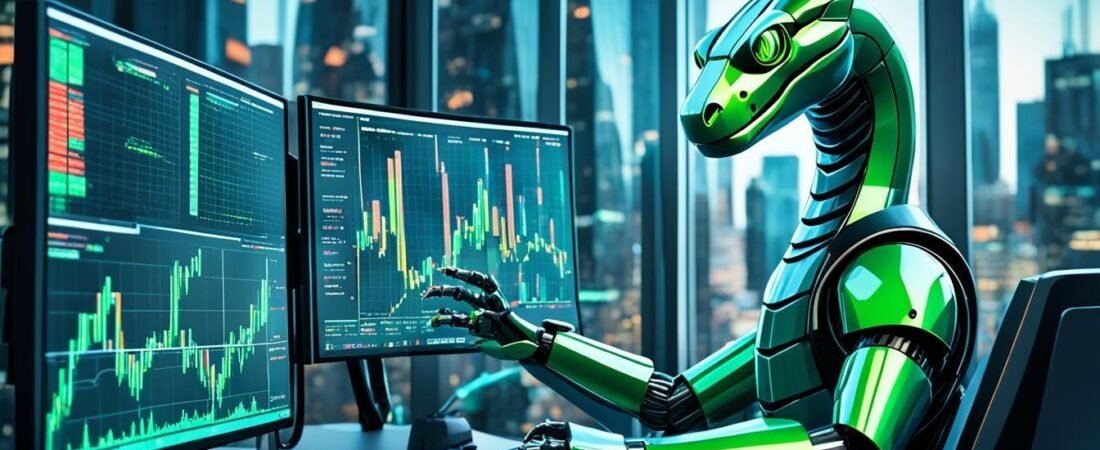


Artificial Intelligence is transforming financial markets, and one of the most powerful tools emerging from this technology is the AI trading bot. These automated systems use machine learning algorithms and data analysis to trade stocks, cryptocurrencies, and forex without human intervention.
AI trading bots can monitor markets 24/7, analyze massive amounts of financial data, and execute trades within milliseconds. Because of their speed and efficiency, many traders and financial institutions rely on these bots to improve trading performance.
In this detailed guide, we will explore AI trading bots, how they work, their technologies, benefits, risks, and the future of automated trading.
What Is an AI Trading Bot?
An AI trading bot is a software program that uses artificial intelligence and machine learning to automatically analyze markets and execute trades.
Unlike traditional trading bots that follow fixed rules, AI trading bots can:
- Learn from historical data
- Adapt to changing market conditions
- Improve trading strategies over time
These bots are commonly used in markets such as:
- Stock trading
- Cryptocurrency trading
- Forex trading
- Commodity trading
Many trading platforms integrate AI technologies developed by companies like Google, Microsoft, and IBM.
How AI Trading Bots Work


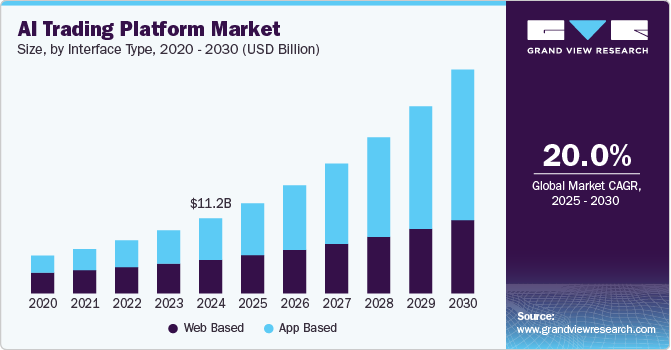
AI trading bots operate through a series of processes that allow them to analyze data and make trading decisions.
1. Data Collection
The bot gathers large amounts of financial data, including:
- Market prices
- Historical trading data
- Economic indicators
- News articles
- Social media sentiment
More data allows the AI model to make more accurate predictions.
2. Market Analysis
AI algorithms analyze the data to identify patterns and trends.
Common techniques include:
- Machine learning models
- Neural networks
- Sentiment analysis
- Technical indicators
The AI learns from historical patterns to predict future price movements.
3. Trading Strategy
Once the AI analyzes the data, it determines the best trading strategy.
Examples include:
- Buy signals
- Sell signals
- Risk management rules
The bot may adjust strategies automatically depending on market conditions.
4. Automated Execution
The AI bot executes trades automatically using trading platform APIs.
Trades can be executed in milliseconds, allowing traders to take advantage of short-term market opportunities.
Types of AI Trading Bots

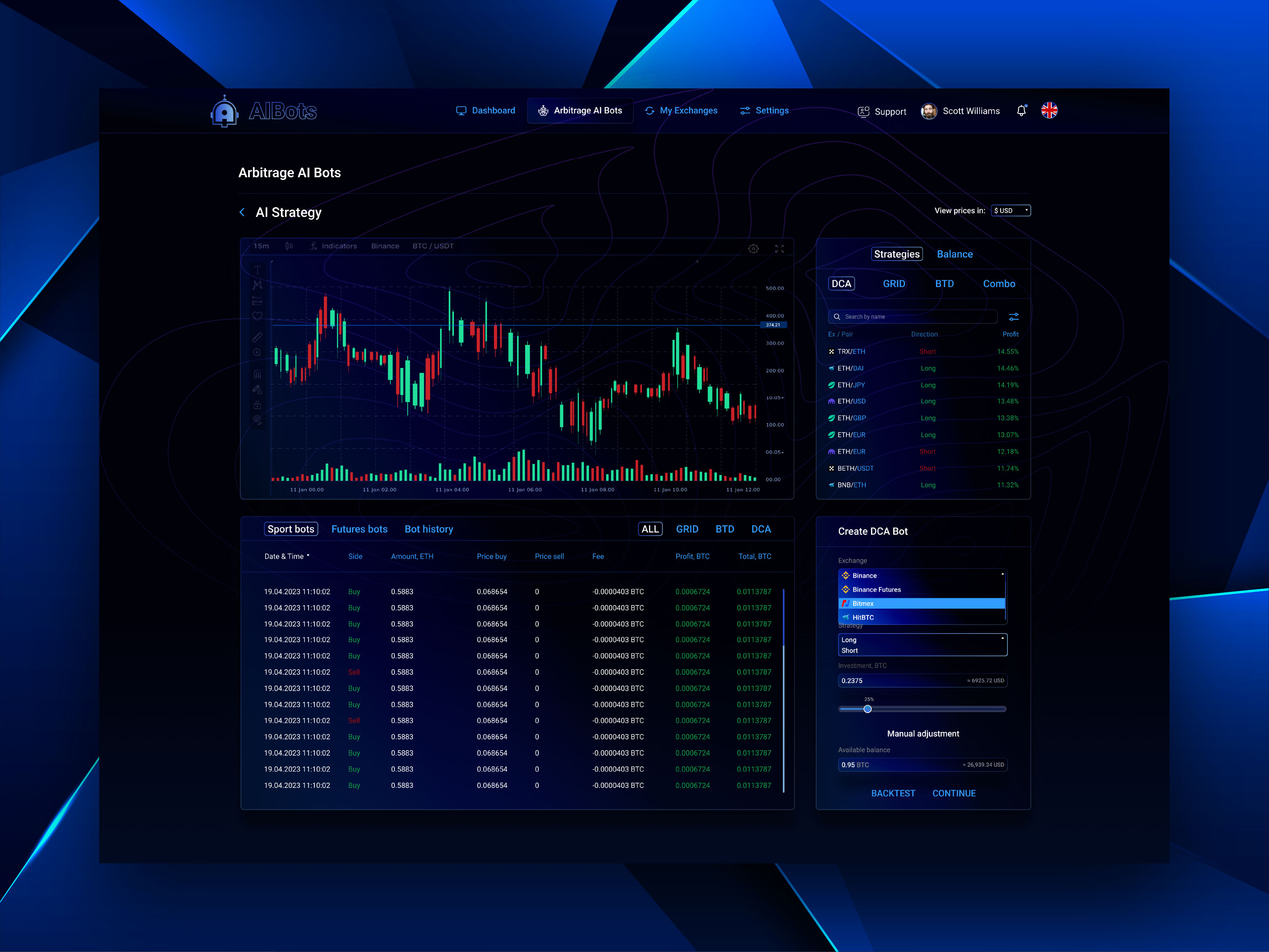
Different AI trading bots are designed for different trading strategies.
Trend Following Bots
These bots identify and follow market trends.
If the price is rising, the bot buys; if the price is falling, it sells.
Arbitrage Bots
Arbitrage bots exploit price differences between exchanges.
For example, buying cryptocurrency on one exchange and selling it on another for profit.
Market Making Bots
Market-making bots place buy and sell orders simultaneously to profit from bid-ask spreads.
Scalping Bots
Scalping bots execute many small trades quickly to capture tiny price movements.
Popular AI Trading Bot Platforms

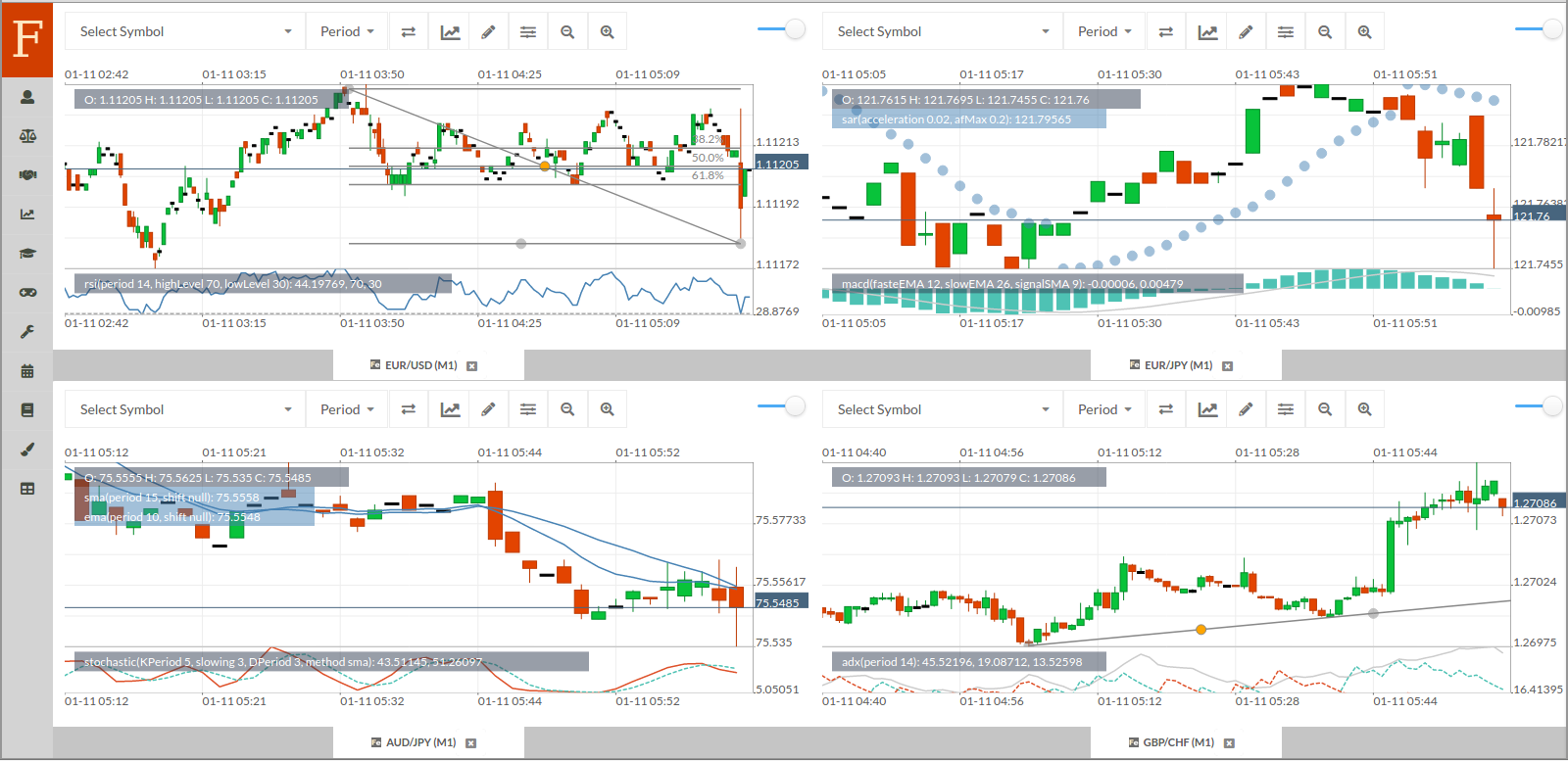
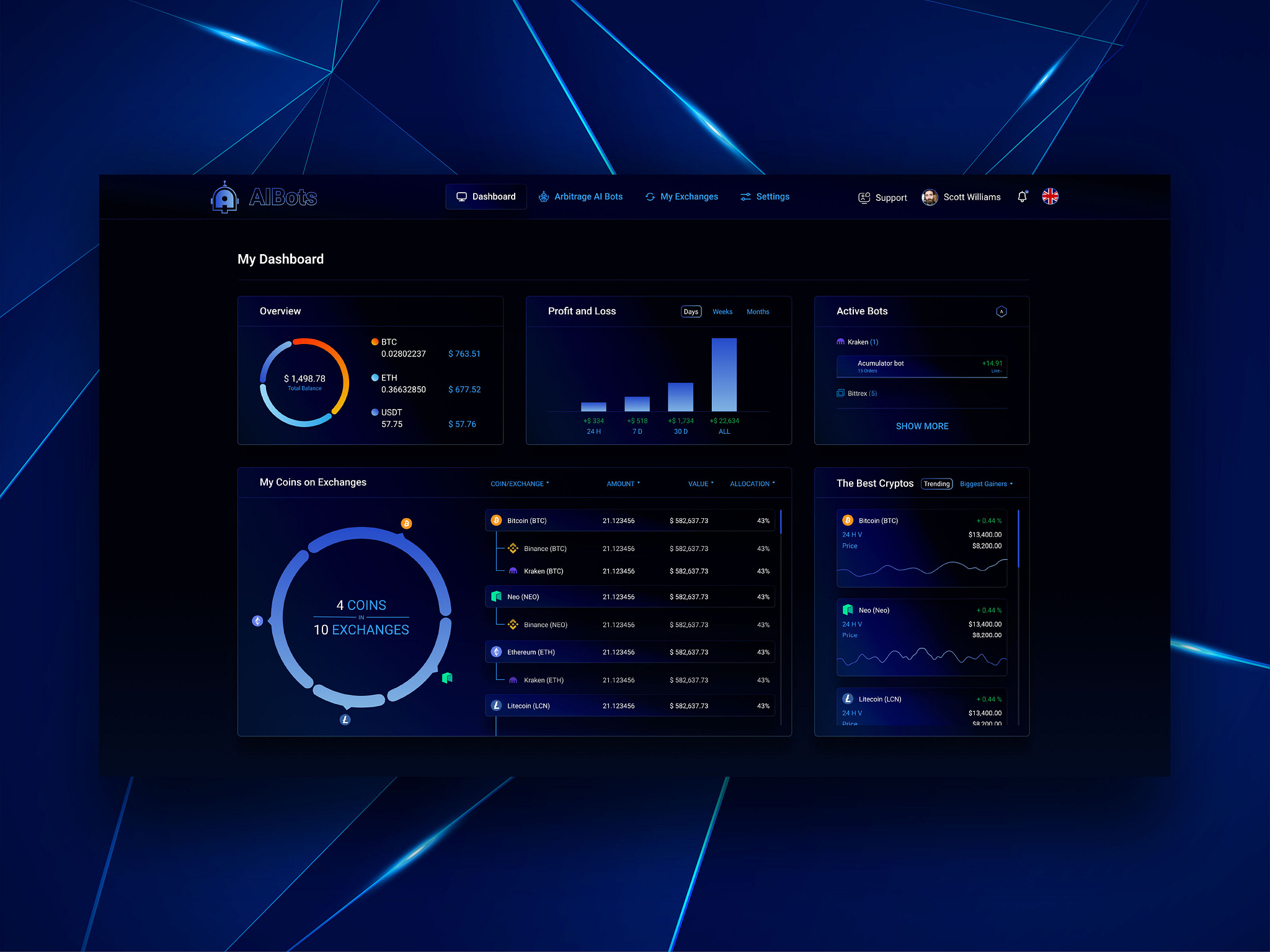
Several platforms offer AI-powered trading bots.
3Commas
3Commas provides automated trading bots and portfolio management tools for cryptocurrency traders.
MetaQuotes – MetaTrader
MetaTrader platforms support automated trading bots known as Expert Advisors.
QuantConnect
QuantConnect offers cloud-based tools for building and deploying algorithmic trading strategies.
Advantages of AI Trading Bots
AI trading bots provide several benefits for traders.
1. 24/7 Market Monitoring
Bots can monitor financial markets continuously without fatigue.
2. Faster Trading Execution
AI bots can execute trades within milliseconds.
3. Emotion-Free Trading
Human traders often make emotional decisions during market volatility.
AI bots rely purely on data and algorithms.
4. Advanced Data Analysis
AI models can analyze huge datasets and identify complex market patterns.
Risks of AI Trading Bots
Despite their benefits, AI trading bots also carry risks.
Market Volatility
Sudden market changes can cause trading algorithms to fail.
Software Bugs
Programming errors can lead to unexpected trades.
Overfitting
Some AI models perform well on historical data but poorly in live markets.
Security Risks
API keys and trading accounts must be protected from hackers.
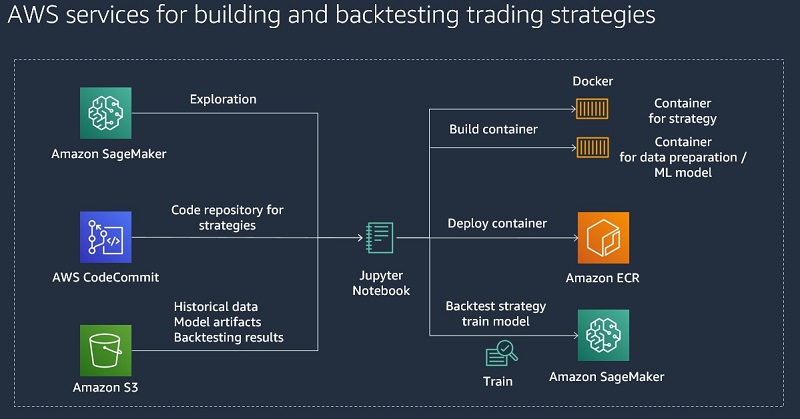
How to Build an AI Trading Bot


Developers often build AI trading bots using programming languages such as Python.
Steps include:
- Collect historical market data
- Train machine learning models
- Design trading strategies
- Connect the bot to exchange APIs
- Test strategies using backtesting
Frameworks like TensorFlow and PyTorch are commonly used for building machine learning trading models.
The Future of AI Trading Bots
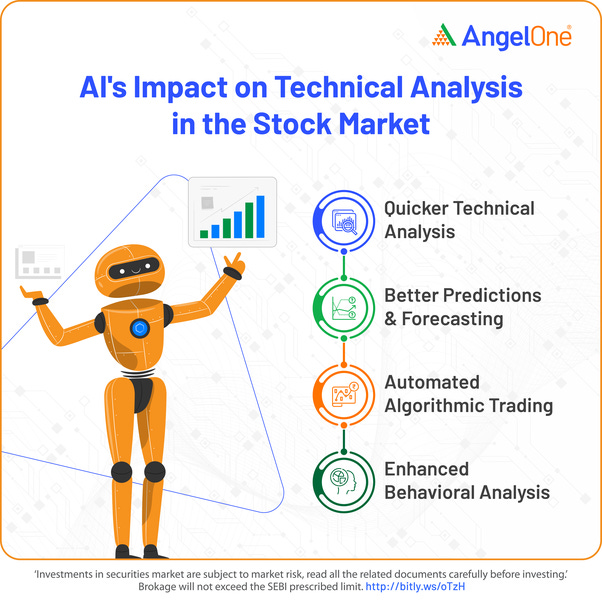
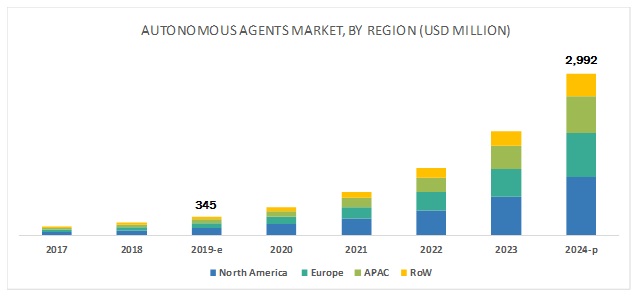
AI trading bots are expected to become more powerful in the coming years.
Future developments may include:
- Fully autonomous trading agents
- AI-powered hedge funds
- Quantum computing financial predictions
- Real-time global market analysis
As financial markets become more complex, AI will play an increasingly important role in trading strategies.
Conclusion
AI trading bots represent one of the most significant innovations in modern finance. By combining machine learning, data analysis, and automated trading strategies, these bots can help traders make faster and more informed decisions.
However, successful AI trading requires proper risk management, reliable data, and continuous monitoring of trading strategies. As AI technology continues to evolve, trading bots will become even more sophisticated and powerful tools in the financial markets.