



Artificial Intelligence (AI) is transforming industries across the world, and the real estate industry in the United States is no exception. From property valuation and predictive analytics to automated customer service and smart property management, AI is reshaping how real estate professionals buy, sell, and manage properties.
Major real estate platforms such as Zillow, Redfin, and Realtor.com are already using AI technologies to provide smarter property recommendations and market insights.
In this guide, we will explore:
- How AI is transforming the real estate market in the USA
- Key AI technologies used in property platforms
- Real-world applications of AI in real estate
- Benefits and challenges of AI adoption
- The future of AI-powered real estate
What is AI in Real Estate?
Artificial Intelligence in real estate refers to the use of machine learning algorithms, predictive analytics, and automation tools to improve property buying, selling, and management processes.
AI systems can analyze huge datasets including:
- Property prices
- Market trends
- Neighborhood data
- Buyer preferences
- Investment risks
This allows real estate companies to make faster and more accurate decisions.
For example, AI models developed by companies like OpenAI and Google are capable of processing massive datasets to uncover patterns that humans might miss.
AI-Powered Property Search
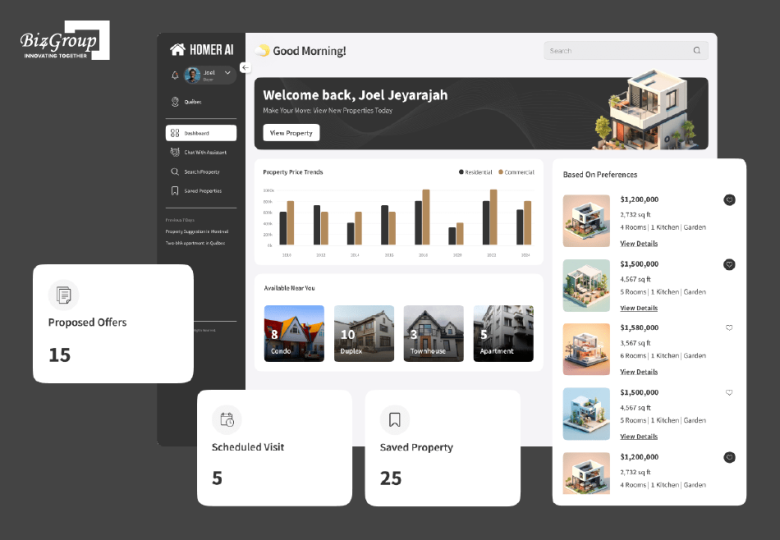

One of the most visible applications of AI in real estate is personalized property search.
Traditional real estate platforms allow users to filter listings by:
- Price
- Location
- Bedrooms
- Property type
However, AI platforms go further by analyzing user behavior and preferences.
For example, platforms like Zillow use machine learning to recommend homes based on:
- Past searches
- Saved listings
- Viewing history
- Market demand
This helps buyers discover properties that match their lifestyle and budget.
AI for Property Valuation


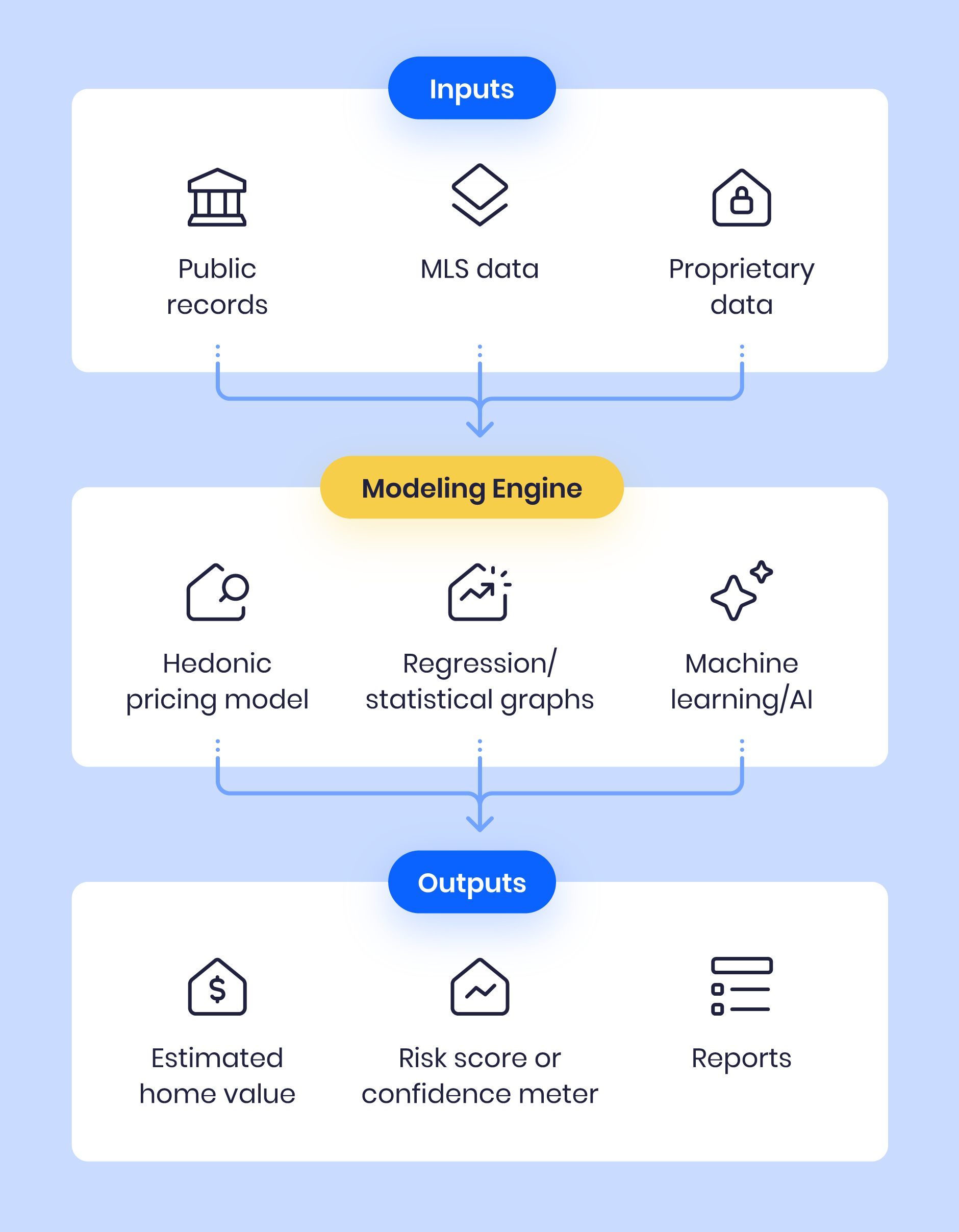
Property valuation is one of the most important tasks in real estate.
Traditionally, property prices were determined by human appraisers. Today, AI-powered Automated Valuation Models (AVMs) can estimate property values instantly.
A well-known example is Zestimate, developed by Zillow.
This AI tool analyzes millions of data points including:
- Recent home sales
- Property size
- Location trends
- Market demand
As a result, buyers and sellers can quickly get an estimate of a home’s value.
AI Chatbots for Real Estate Customer Service


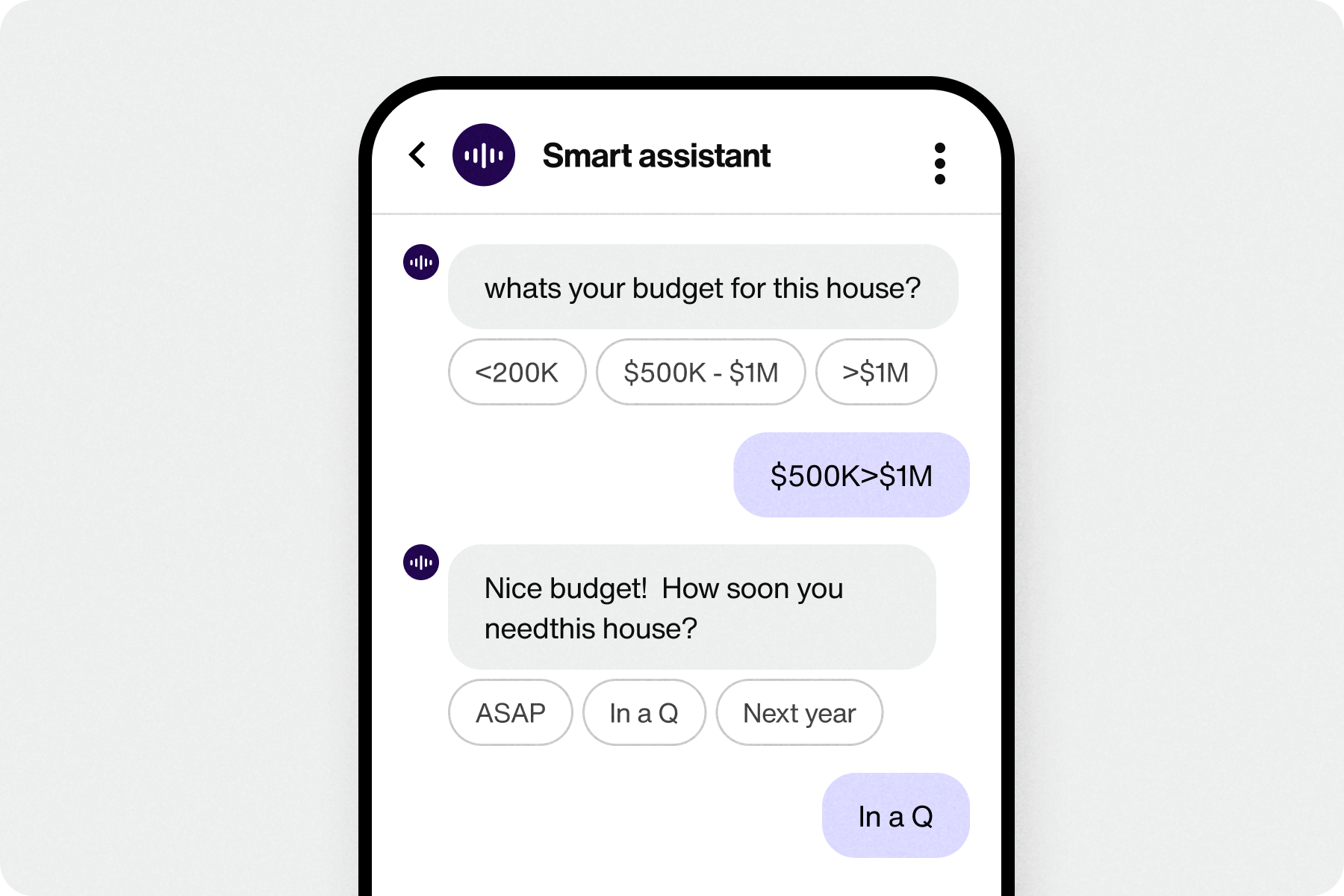
Customer service is another area where AI is making a big impact.
AI-powered chatbots can assist users by:
- Answering property questions
- Scheduling home tours
- Providing price estimates
- Suggesting listings
Modern chatbots powered by technologies similar to ChatGPT can communicate with users in natural language.
This allows real estate websites to provide 24/7 customer support without hiring large customer service teams.
AI in Real Estate Investment Analysis


AI is also helping investors identify profitable opportunities.
Machine learning models analyze large datasets to predict:
- Future property prices
- Rental demand
- Neighborhood growth
- Market risk
Companies like Redfin use predictive analytics to forecast housing market trends.
This helps investors make data-driven decisions when buying properties.
AI-Powered Virtual Tours and Smart Marketing


AI technologies are also changing how properties are marketed.
Many real estate platforms now offer:
- 3D virtual tours
- AI-generated property descriptions
- Smart ad targeting
- Automated marketing campaigns
Buyers can explore homes remotely through interactive virtual tours before scheduling physical visits.
This technology became especially popular during the COVID-19 pandemic, when remote property viewing became essential.
Benefits of AI in Real Estate
The adoption of AI offers many advantages for the real estate industry.
Faster Property Transactions
AI reduces the time required for searching, evaluating, and purchasing properties.
Better Market Insights
Predictive analytics helps buyers and investors make informed decisions.
Improved Customer Experience
Personalized recommendations improve the property search process.
Cost Reduction
Automation reduces operational costs for real estate companies.
Challenges of AI in Real Estate
Despite its advantages, AI also introduces some challenges.
Data Privacy Concerns
AI systems rely heavily on user data to make recommendations.
Algorithm Bias
If training data contains bias, AI predictions may be inaccurate.
High Implementation Costs
Developing AI systems requires significant technical investment.
Market Uncertainty
Real estate markets can change quickly, making predictions difficult.
Future of AI in the U.S. Real Estate Market 🚀
Artificial Intelligence will continue to play an increasingly important role in the U.S. housing market.
Future innovations may include:
- Fully automated property transactions
- AI-powered real estate investment advisors
- Smart city infrastructure connected with property platforms
- AI-generated architectural designs
Major technology companies such as Microsoft and Google are investing heavily in AI technologies that could further transform the real estate sector.
As these technologies mature, AI will likely make real estate more efficient, transparent, and accessible for buyers, sellers, and investors.
Conclusion
Artificial Intelligence is rapidly transforming the real estate industry in the United States. From property valuation and predictive analytics to virtual tours and AI chatbots, technology is improving how properties are bought, sold, and managed.
Platforms such as Zillow, Redfin, and Realtor.com demonstrate how AI can provide smarter insights and better user experiences.
As AI continues to evolve, it will play an even bigger role in shaping the future of the U.S. real estate market.