
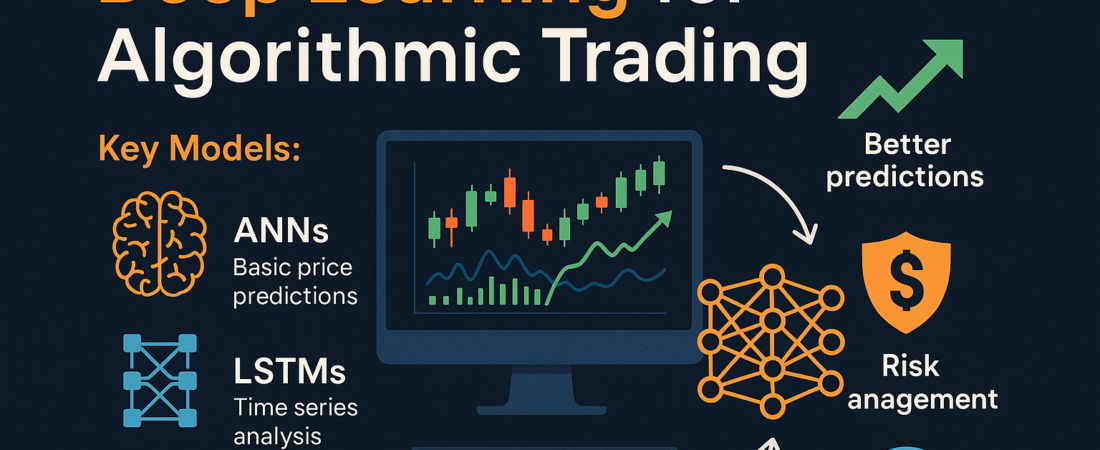


Artificial Intelligence (AI) is transforming stock trading by allowing traders to analyze massive amounts of financial data, detect patterns, and make faster decisions. Instead of relying only on manual chart analysis, traders can now use AI-powered tools to predict trends, automate trading strategies, and reduce emotional decision-making.
Today, both professional investors and beginners use AI tools built by companies like Microsoft, Google, and IBM to improve trading accuracy.
This guide explains how to use AI for stock trading, from beginner methods to advanced AI trading systems.
What Is AI Stock Trading?
AI stock trading refers to using artificial intelligence algorithms to analyze stock market data and generate trading decisions automatically or with human assistance.
AI systems analyze data such as:
- Stock price history
- Trading volume
- Technical indicators
- Economic news
- Social media sentiment
Using machine learning models, AI can detect patterns that humans may not notice.
Ways to Use AI for Stock Trading

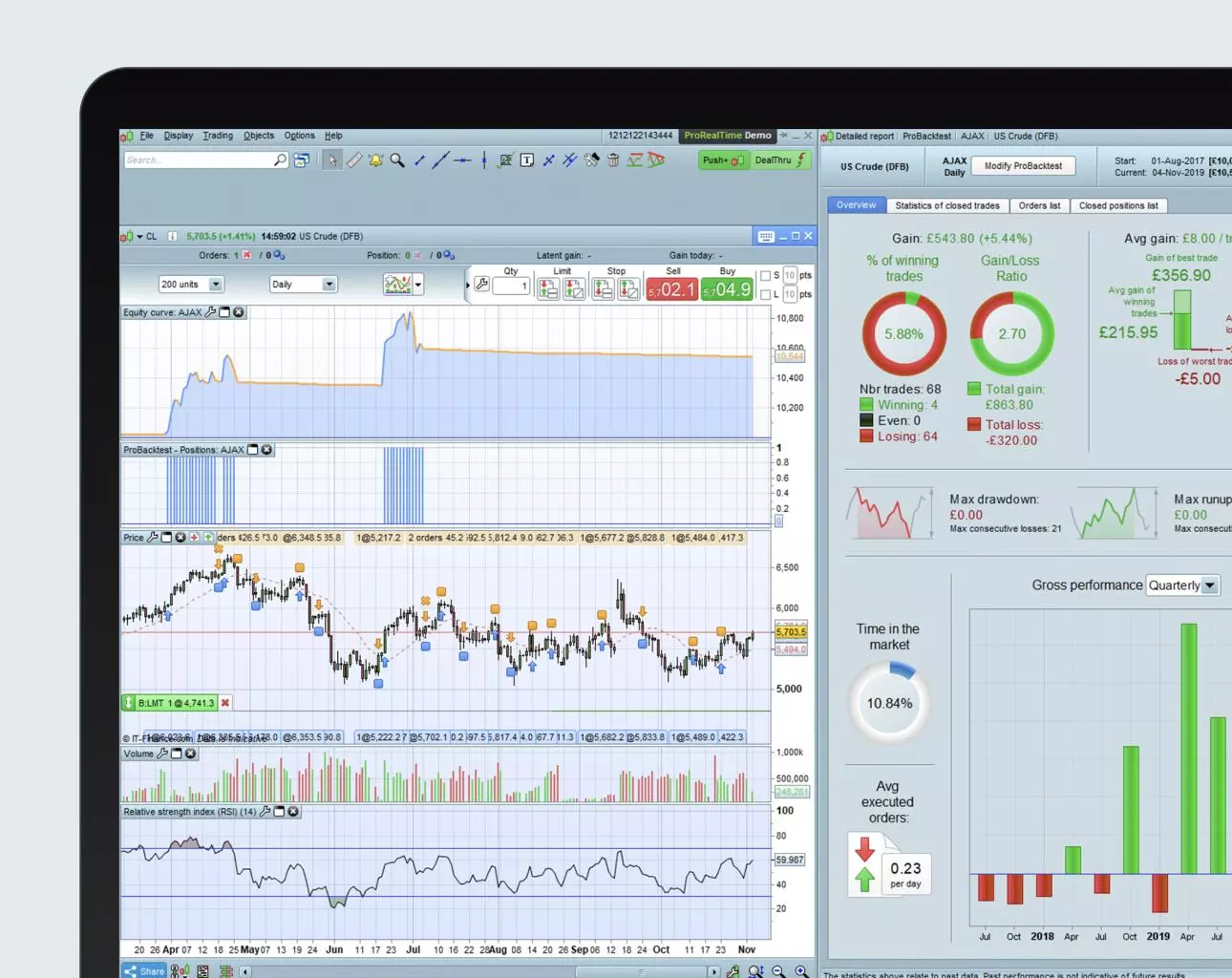

There are several ways traders use AI in the stock market.
1. AI Stock Analysis Tools
The simplest way to use AI is through AI-powered stock analysis platforms.
These tools analyze financial data and provide trading insights such as:
- Buy or sell signals
- Market trends
- Risk analysis
- Portfolio recommendations
Examples include:
- Trade Ideas
- TrendSpider
These tools are suitable for beginner traders.
2. AI Stock Prediction Models
AI can predict potential stock price movements using machine learning.
These models analyze historical stock data to forecast future prices.
Common prediction models include:
- Neural networks
- Regression models
- Time-series analysis
- Reinforcement learning
These models are widely used by hedge funds and quantitative traders.
3. Automated Trading Bots
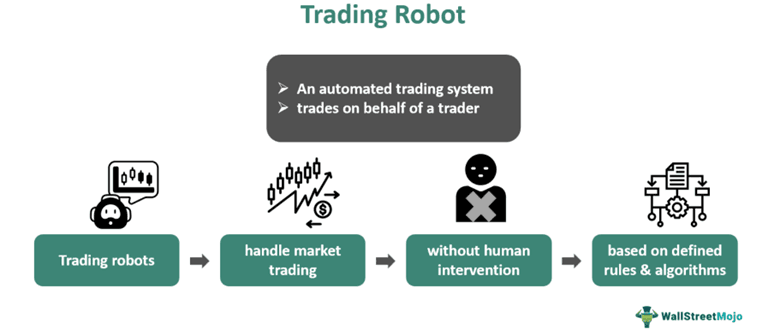
Automated trading bots execute trades automatically based on AI-generated signals.
Benefits include:
- Faster execution
- 24/7 monitoring
- Reduced emotional trading
Platforms like MetaQuotes provide automated trading systems through their MetaTrader platform.
4. AI Portfolio Management
AI can also help manage investment portfolios by automatically balancing assets.
Portfolio AI systems analyze:
- Risk levels
- Market trends
- Investment diversification
These systems adjust portfolios to maximize returns while reducing risk.
Technologies Behind AI Stock Trading

Several technologies power AI stock trading systems.
Machine Learning
Machine learning allows systems to learn patterns from historical stock data.
It helps AI models improve predictions over time.
Natural Language Processing (NLP)
NLP enables AI systems to analyze financial news and earnings reports.
AI can detect positive or negative sentiment that may influence stock prices.
Big Data Analytics
Stock markets generate massive amounts of data every second.
Big data tools allow AI to process this information quickly.
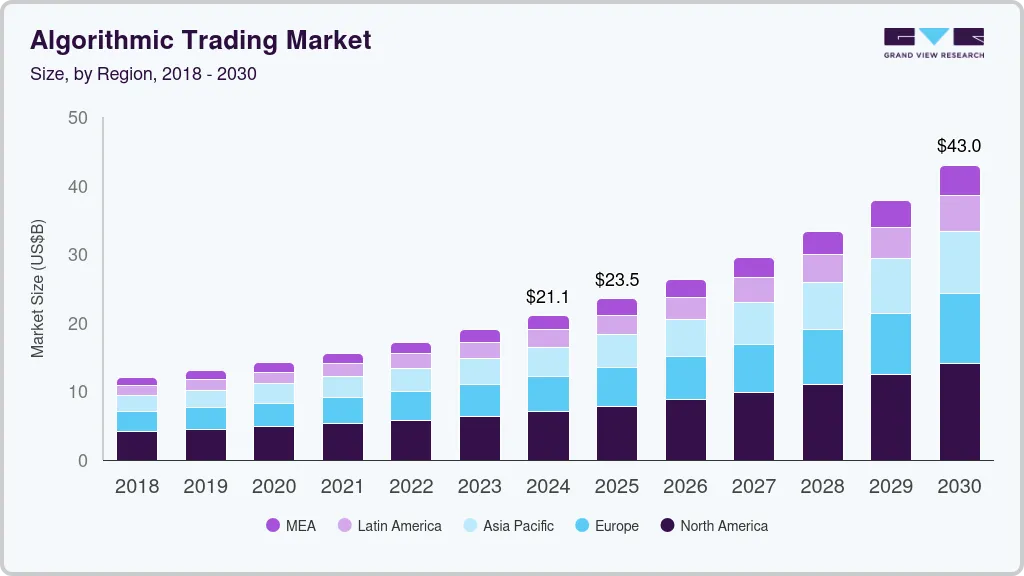
Algorithmic Trading
Algorithmic trading executes trades automatically based on predefined rules or AI signals.
This allows trades to occur within milliseconds.
How to Build an AI Stock Trading System

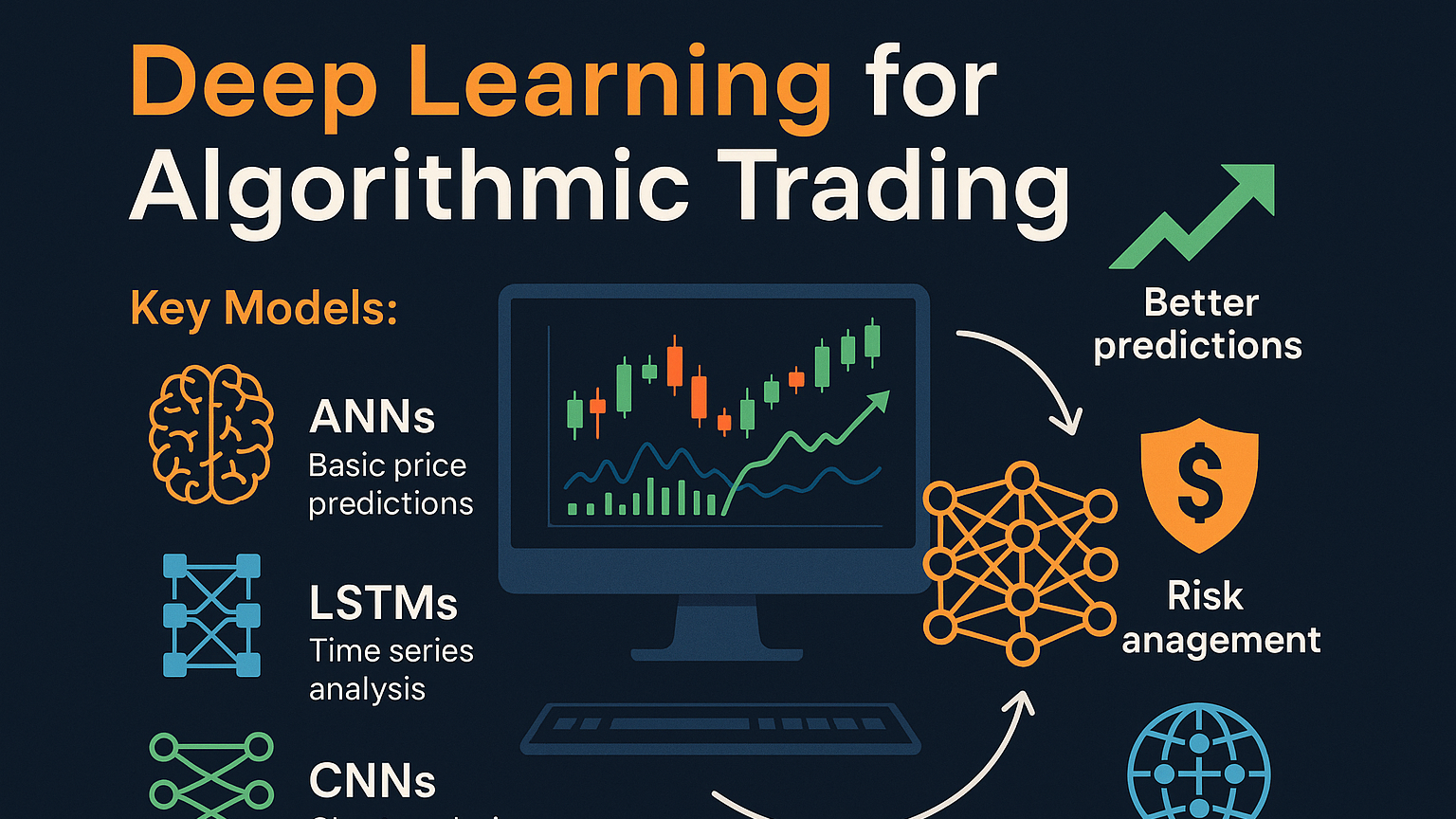
Developers can build AI trading systems using programming languages such as Python.
Step 1: Collect Stock Market Data
Sources include:
- Financial APIs
- Stock exchanges
- Historical market datasets
Step 2: Prepare the Data
Data must be cleaned and structured before training AI models.
Important features include:
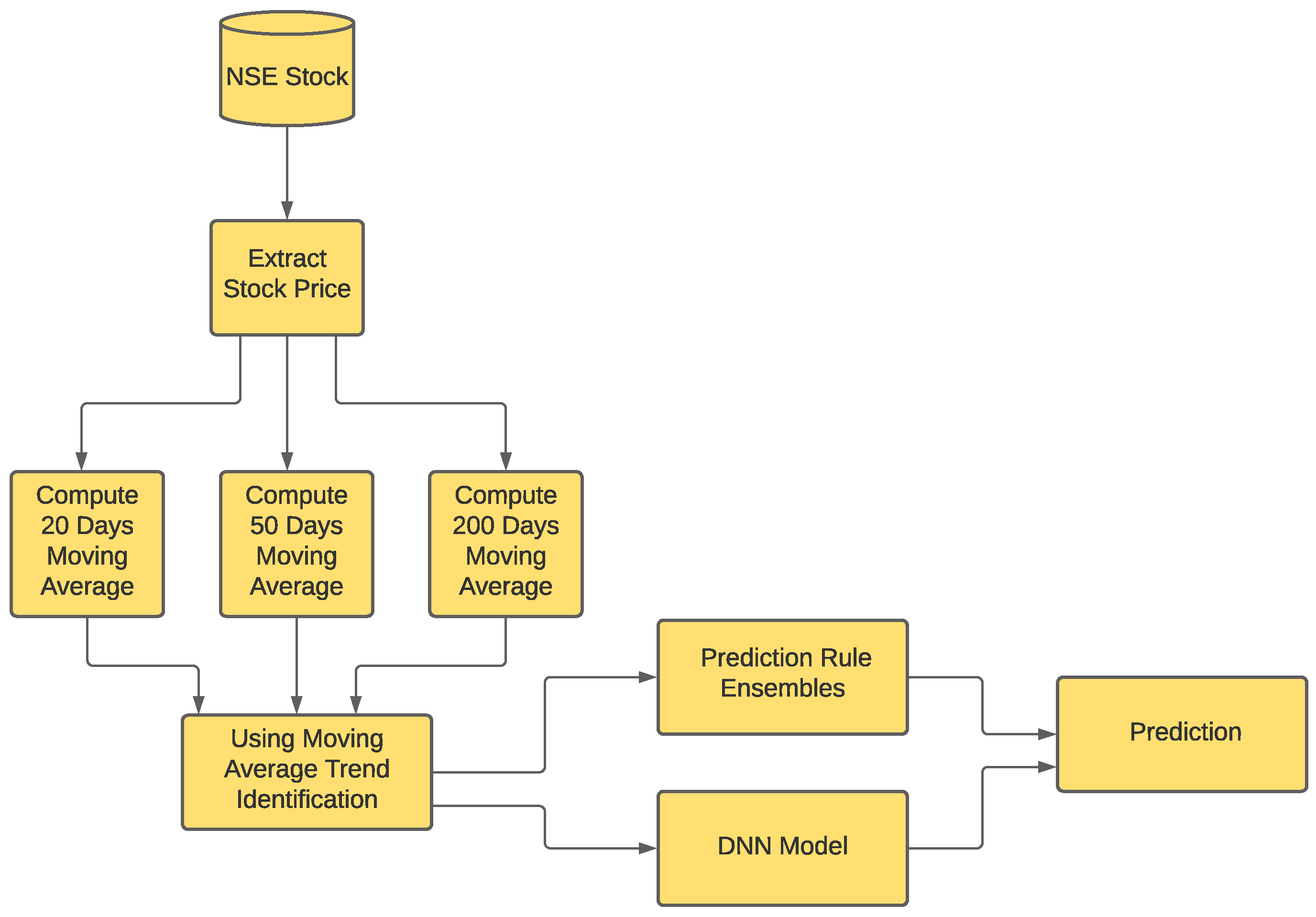
- Moving averages
- Price volatility
- Market indicators
Step 3: Train Machine Learning Models
Common AI libraries include:
- TensorFlow
- PyTorch
- Scikit-learn
These frameworks help train stock prediction models.
Step 4: Backtest Trading Strategies
Backtesting tests the strategy on historical data to evaluate performance.
Step 5: Connect to Brokerage APIs
AI systems can execute trades automatically through brokerage APIs.
Benefits of Using AI in Stock Trading
AI trading offers several advantages.
Faster Market Analysis
AI can analyze millions of data points instantly.
Reduced Emotional Bias
Human traders often make emotional decisions during market volatility.
AI relies purely on data.
Continuous Market Monitoring
AI systems can monitor the stock market continuously.
Improved Decision Making
AI models can detect patterns that humans might miss.
Risks of AI Stock Trading
Although AI trading is powerful, it also has risks.
Market Uncertainty
Stock markets are unpredictable and influenced by many factors.
Model Errors
Incorrect models may produce inaccurate predictions.
Overfitting
AI models trained on historical data may fail in real-world conditions.
Technical Failures
Software bugs or system failures can cause trading errors.
The Future of AI Stock Trading


AI is expected to become a major force in global financial markets.
Future developments may include:
- Fully autonomous trading agents
- AI-powered hedge funds
- Real-time global market prediction
- Quantum computing for financial analysis
These innovations could transform how investors trade and manage assets.
Conclusion
Using AI for stock trading allows investors to analyze markets more efficiently and make data-driven decisions. With tools such as machine learning models, automated trading bots, and AI analytics platforms, traders can improve trading accuracy and reduce emotional bias.
However, successful AI trading requires strong data analysis, risk management, and continuous monitoring. As AI technology continues to evolve, it will likely become an essential tool for both individual investors and large financial institutions.