

Generative AI is one of the fastest-growing technologies in the world today. It allows computers to create new content automatically, such as text, images, music, videos, and even code.
Unlike traditional artificial intelligence systems that only analyze data or make predictions, Generative AI can produce completely new content that never existed before.
Many modern tools such as OpenAI, Google, and Microsoft are investing heavily in Generative AI technology.
In this guide, you will learn:
- What Generative AI is
- How it works
- Real-world examples
- Popular Generative AI tools
- Benefits and risks
- The future of Generative AI
What is Generative AI?
Generative AI is a type of artificial intelligence that can generate new content based on patterns learned from large datasets.
This content can include:
- Text
- Images
- Videos
- Music
- Voice
- Software code
For example, tools like ChatGPT can generate human-like text responses, while DALL·E can create images from simple text prompts.
Example prompt:
“Create an image of a futuristic city with flying cars.”
Within seconds, AI generates a completely new image based on the description.
How Generative AI Works


4
Generative AI models are trained using large datasets and deep learning algorithms. These models learn patterns from millions or even billions of examples.
The most common technologies behind Generative AI include:
1. Neural Networks
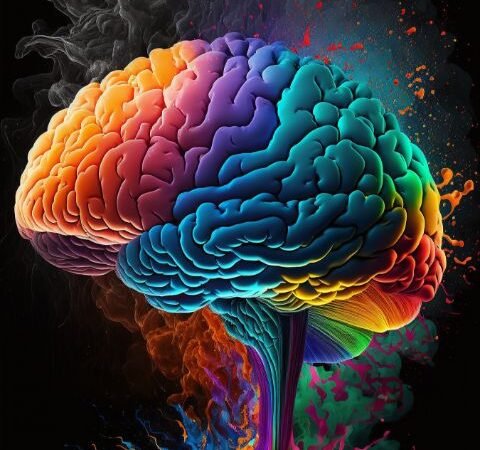
Neural networks mimic the structure of the human brain and help machines learn patterns from data.
2. Transformers
Transformers are advanced AI architectures used in models like GPT‑4.
They allow AI to understand language context and generate realistic responses.
3. Generative Adversarial Networks (GANs)
GANs consist of two AI models:
- Generator → creates new data
- Discriminator → evaluates if it looks real
Through this competition, the generator becomes better at producing realistic content.
Types of Generative AI
Generative AI can create many types of digital content.
1. Text Generation


AI can write:
- Blog posts
- Emails
- Stories
- Scripts
- Marketing content
Popular tools include:
- ChatGPT
- Jasper AI
- Copy.ai
2. Image Generation

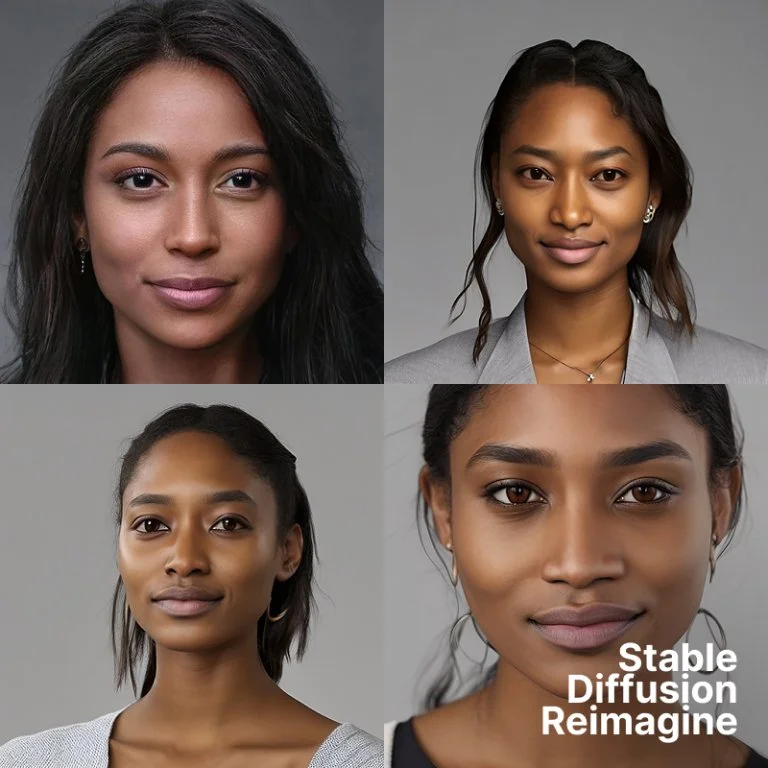

AI image generators create artwork from text prompts.
Popular tools include:
- Midjourney
- Stable Diffusion
- DALL·E
These tools are widely used by designers, marketers, and content creators.
3. Video Generation
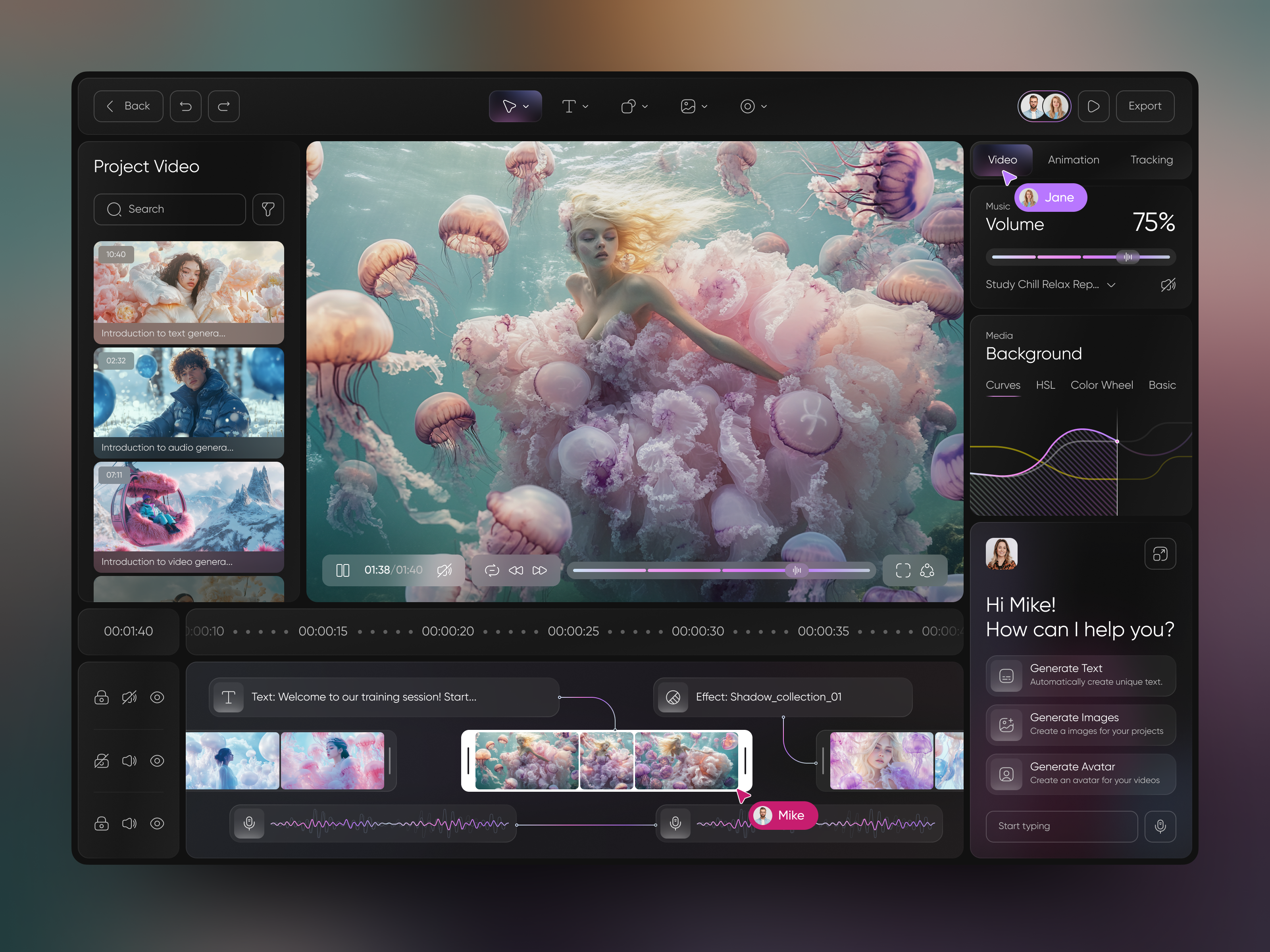
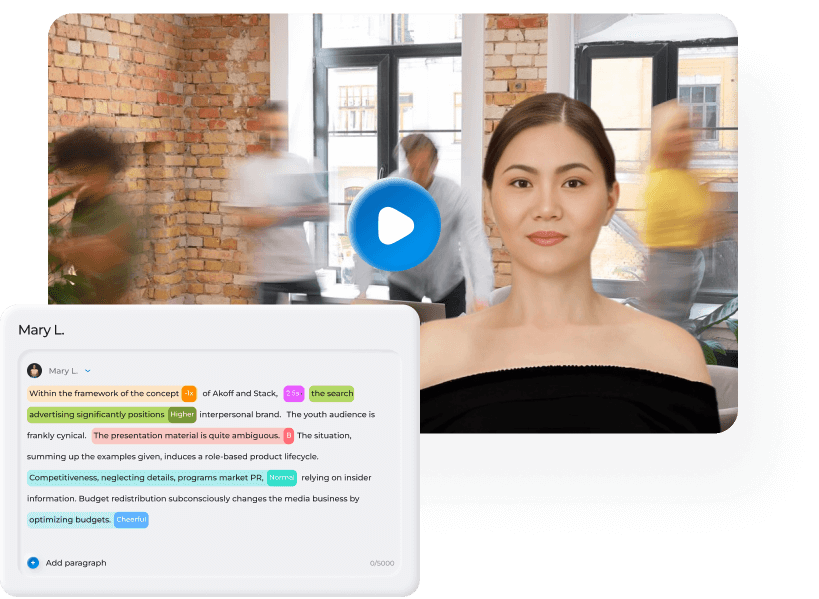

AI can now generate videos automatically.
Popular tools include:
- Runway ML
- Pika
These tools allow users to create animations and videos from simple text prompts.
Real-World Applications of Generative AI
Generative AI is being used across many industries.
Content Creation
Writers and marketers use AI to generate blogs, ads, and social media posts.
Software Development
AI tools help programmers generate and debug code faster.
Gaming
Game developers use AI to create characters, environments, and storylines.
Healthcare
AI helps researchers simulate molecules and design new drugs.
Education
AI tutors assist students with explanations and personalized learning.
Benefits of Generative AI
Generative AI provides several advantages.
1. Faster Content Creation
Tasks that once took hours can now be completed in seconds.
2. Increased Productivity
Businesses can automate repetitive work.
3. Creative Inspiration
Designers and artists can explore new creative ideas.
4. Cost Reduction
Companies can reduce production costs by automating content generation.
Risks and Challenges of Generative AI
Despite its benefits, Generative AI also raises concerns.
Misinformation
AI-generated content can sometimes spread false information.
Deepfakes
AI can create fake videos that look real.
Copyright Issues
AI models are trained on large datasets that may include copyrighted content.
Job Displacement
Automation may replace certain repetitive jobs.
Future of Generative AI 🚀
Experts believe Generative AI will become a core technology in many industries.
In the future we may see:
- AI-generated movies
- Fully AI-created video games
- Personalized AI assistants
- AI-generated virtual worlds
Major tech companies including Google, Microsoft, and OpenAI are continuing to develop more powerful AI models.
Generative AI will likely transform how people create content, work, and communicate online.
Conclusion
Generative AI is a revolutionary technology that enables machines to create new content like text, images, videos, and music.
With tools like ChatGPT, Midjourney, and Stable Diffusion, content creation has become faster and more accessible than ever.
While there are challenges to address, Generative AI will continue to shape the future of technology and creativity.