



Artificial Intelligence (AI) has become one of the most transformative technologies of the 21st century, and the United States is widely considered the global leader in AI innovation. From advanced language models to autonomous vehicles, American companies and research institutions are shaping the way AI influences business, healthcare, education, defense, and everyday life.
In this detailed guide, we will explore American Artificial Intelligence, including its history, leading companies, key technologies, applications, economic impact, challenges, and the future of AI in the United States.
What Is American Artificial Intelligence?
American Artificial Intelligence refers to AI technologies, research, and companies developed in the United States. It includes:
- AI models and algorithms
- Machine learning research
- Robotics and automation
- AI-powered software and services
- AI infrastructure such as data centers and chips
Many of the world’s most advanced AI systems originate from American companies such as OpenAI, Google, Microsoft, NVIDIA, and Amazon.
These organizations develop AI models that power:
- Chatbots
- Recommendation engines
- Autonomous vehicles
- Medical diagnostics
- Smart assistants
The History of Artificial Intelligence in America


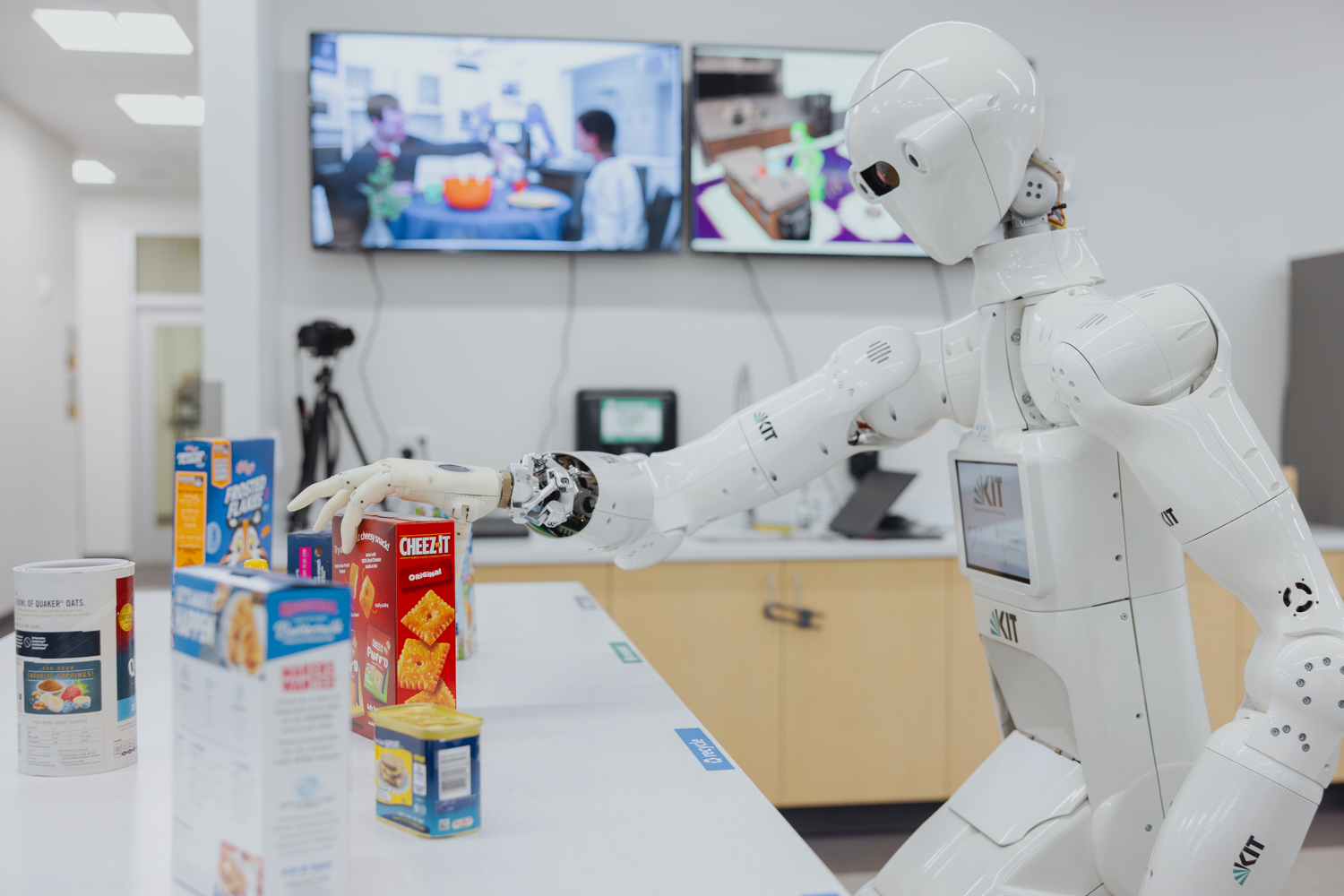
The United States has been at the forefront of AI research for decades. The journey began in the 1950s, when computer scientists first started exploring the idea that machines could mimic human intelligence.
1950s–1970s: Birth of AI Research
Universities like Massachusetts Institute of Technology and Stanford University began pioneering AI research.
Early research areas included:
- Symbolic reasoning
- Problem-solving algorithms
- Early robotics
Government organizations such as DARPA funded many AI research projects.
1980s–2000s: Machine Learning and Data
During this period, AI development shifted toward machine learning, where computers learn patterns from data rather than following fixed rules.
Key developments included:
- Neural networks
- Speech recognition
- Natural language processing
- Computer vision
American technology companies began integrating AI into software and internet services.
2010–Present: The AI Revolution



The modern AI boom started around 2010, when powerful GPUs and massive datasets allowed deep learning systems to outperform traditional methods.
Companies like NVIDIA revolutionized AI computing with GPUs designed for machine learning.
Meanwhile, organizations like OpenAI developed advanced AI models capable of generating text, images, code, and video.
Key Technologies in American AI
American AI leadership is driven by several core technologies.
1. Machine Learning
Machine learning allows computers to learn patterns from large datasets.
Examples include:
- Fraud detection in banking
- Product recommendations in e-commerce
- Spam filtering in email
2. Natural Language Processing (NLP)
NLP allows machines to understand and generate human language.
Applications include:
- AI chatbots
- Translation tools
- Voice assistants
Companies like Google and Microsoft lead in NLP research.
3. Computer Vision
Computer vision allows machines to interpret images and video.
Examples include:
- Facial recognition
- Autonomous driving
- Medical imaging diagnostics
4. Robotics and Automation
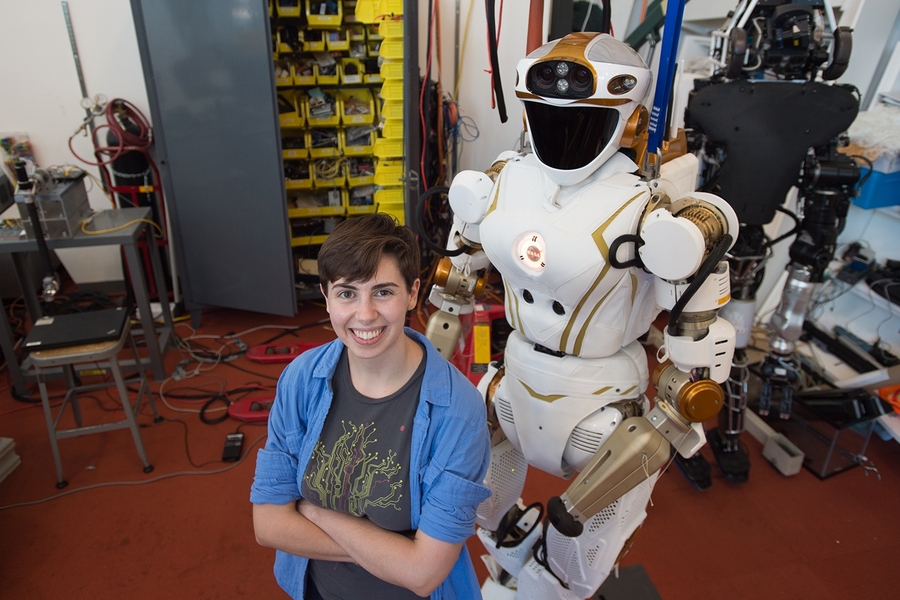
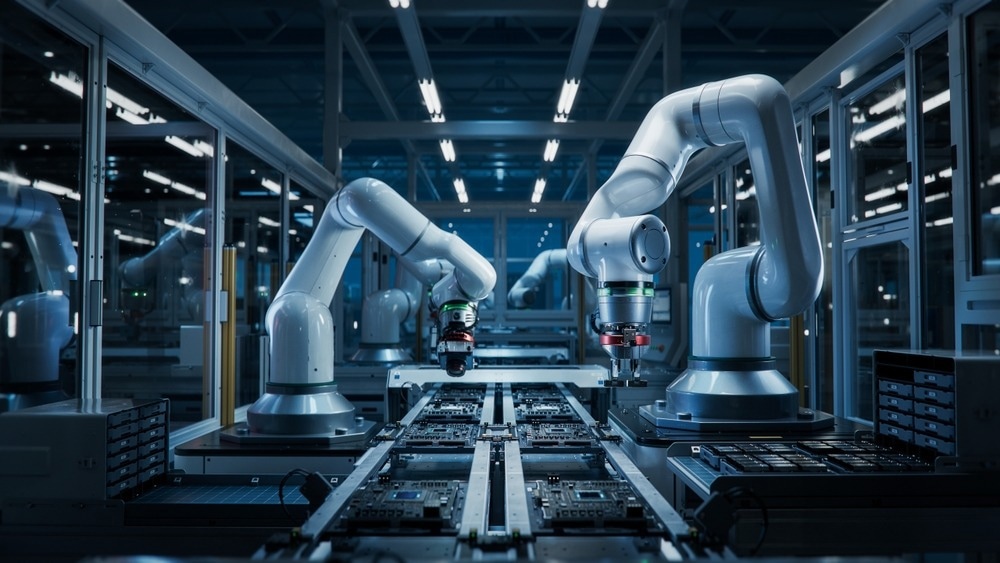
Robotics combined with AI enables machines to perform complex tasks.
Examples include:
- Warehouse automation
- Delivery robots
- Surgical robots
Companies such as Boston Dynamics are pushing the boundaries of robotics technology.
Leading American AI Companies
The United States hosts many of the world’s most influential AI companies.
1. OpenAI
OpenAI develops advanced AI models such as large language models used for:
- Chatbots
- Writing tools
- Programming assistance
2. Google
Google has been a pioneer in AI research, particularly through its AI division Google DeepMind.
Google uses AI for:
- Search algorithms
- Image recognition
- Self-driving technology
3. Microsoft
Microsoft integrates AI into many of its products:
- Office tools
- Cloud services
- Developer platforms
4. NVIDIA
NVIDIA produces GPUs that power most modern AI training systems and data centers.
5. Amazon
Amazon uses AI for:
- Personalized shopping recommendations
- Logistics optimization
- Voice assistant technology
Applications of American Artificial Intelligence
AI is transforming many industries.
Healthcare


AI helps doctors diagnose diseases faster and more accurately.
Examples include:
- Cancer detection
- Medical imaging analysis
- Drug discovery
Finance
AI systems help financial institutions:
- Detect fraud
- Analyze investment risks
- Automate trading
Transportation
Autonomous vehicles are one of the most exciting AI applications.
Companies such as Tesla and Waymo are developing self-driving technology.
Education
AI tools are transforming learning through:
- Personalized tutoring
- Homework assistance
- Adaptive learning systems
Economic Impact of AI in the United States
Artificial intelligence is expected to add trillions of dollars to the global economy.
In the United States, AI is creating:
- New industries
- High-paying tech jobs
- Startup ecosystems
- Innovation hubs in cities like San Francisco and Seattle
Many venture capital firms are investing heavily in AI startups.
Challenges and Risks of AI
Despite its benefits, AI also raises concerns.
Ethical Issues
- Bias in algorithms
- Privacy risks
- Deepfakes and misinformation
Job Displacement
Automation may replace some traditional jobs.
Security Risks
AI could be used for cyber attacks or autonomous weapons.
Because of these risks, governments are developing AI regulations.
The Future of American Artificial Intelligence
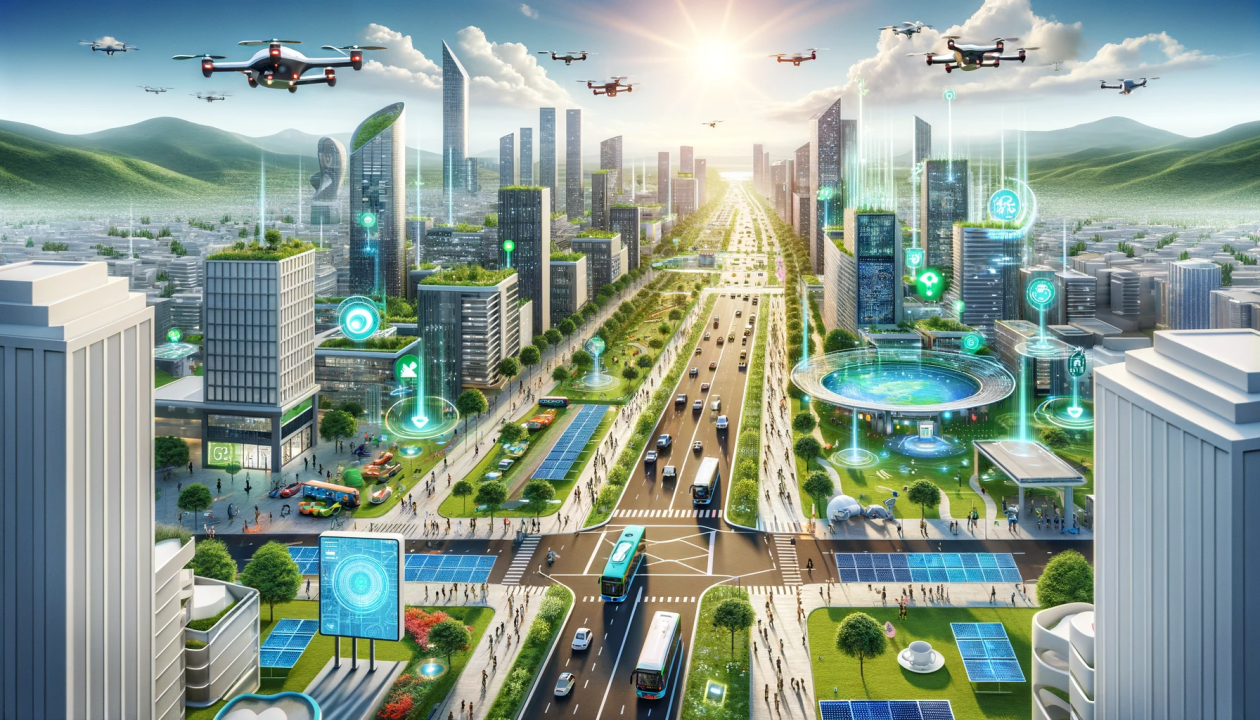

The future of AI in the United States is incredibly promising.
Emerging trends include:
- Artificial General Intelligence (AGI)
- AI-powered scientific discovery
- AI-driven robotics
- Personalized AI assistants
- AI-generated media
Experts believe AI will become as transformative as electricity or the internet.
Conclusion
American Artificial Intelligence is leading a global technological revolution. Through innovation from universities, startups, and tech giants, the United States continues to push the boundaries of what machines can achieve.
From healthcare breakthroughs to intelligent software and autonomous systems, AI developed in America is shaping the future of the world.
As AI technology evolves, it will continue to influence nearly every industry—making it one of the most important technologies of our time.