




Artificial Intelligence has opened massive opportunities for developers and entrepreneurs. One of the fastest ways to enter the AI industry today is by building AI wrapper apps.
Instead of training complex AI models from scratch, developers can build applications that use powerful existing AI models through APIs. These applications are called AI wrapper apps.
Many successful AI products today follow this exact model. Small teams or even solo developers are launching profitable AI products by building useful tools on top of large AI models.
In this detailed guide, you will learn:
• What AI wrapper apps are
• Why they are becoming extremely popular
• The tools needed to build them
• Step-by-step process to create one
• How to monetize AI wrapper apps
• Best practices to build successful AI products
This guide is perfect for developers, startups, and entrepreneurs interested in entering the AI market.
What Are AI Wrapper Apps?


An AI wrapper app is a software application that uses an existing artificial intelligence model through an API and builds a user-friendly product around it.
The developer does not create the AI model. Instead, they wrap a product interface and workflow around an existing AI system.
Simple Explanation
Think of it like this:
AI Model → Engine
Wrapper App → Car
The AI model provides the intelligence, while the wrapper app provides the interface, workflow, and user experience.
Users interact with the app, and the app communicates with the AI model in the background.
Why AI Wrapper Apps Are Growing So Fast

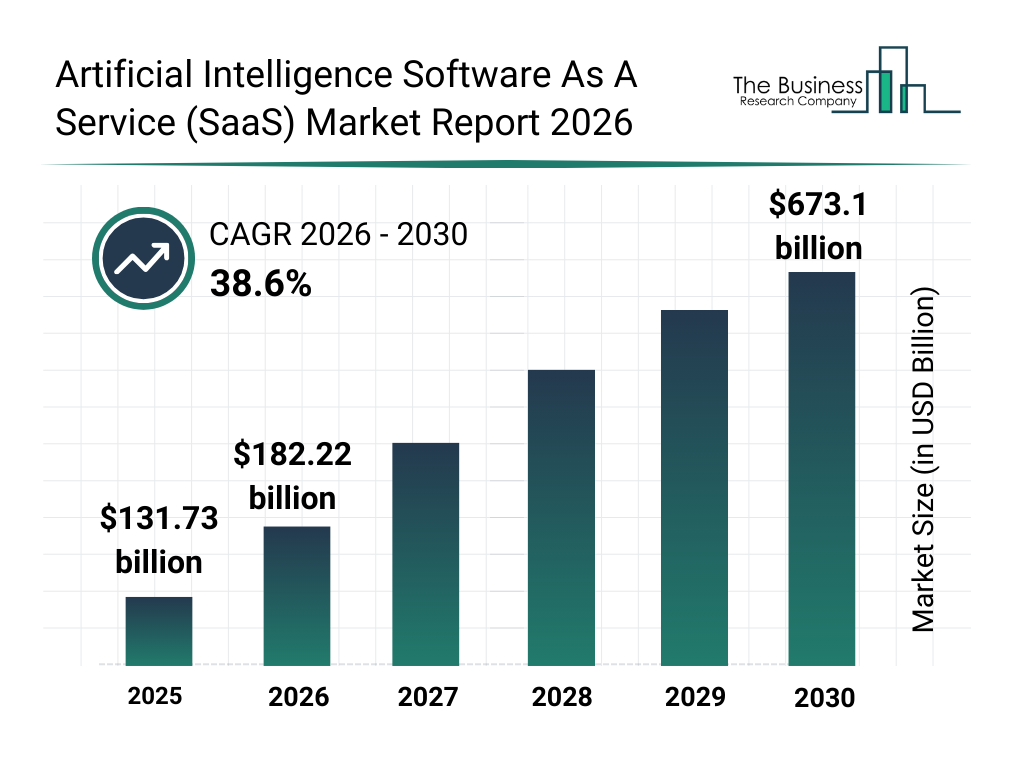

AI wrapper apps are becoming extremely popular because they allow developers to build powerful products quickly.
Lower Development Cost
Training a large AI model can cost millions of dollars. Wrapper apps avoid this cost.
Faster Product Development
Developers can build AI apps in weeks rather than years.
Access to Powerful AI Models
Developers can use advanced AI models such as:
• GPT language models
• Image generation models
• Speech recognition systems
• Video generation tools
Huge Market Demand
Businesses want AI tools for:
• Content creation
• Automation
• Customer service
• Marketing
• Data analysis
This demand is driving rapid growth in AI applications.
Tools Required to Build AI Wrapper Apps


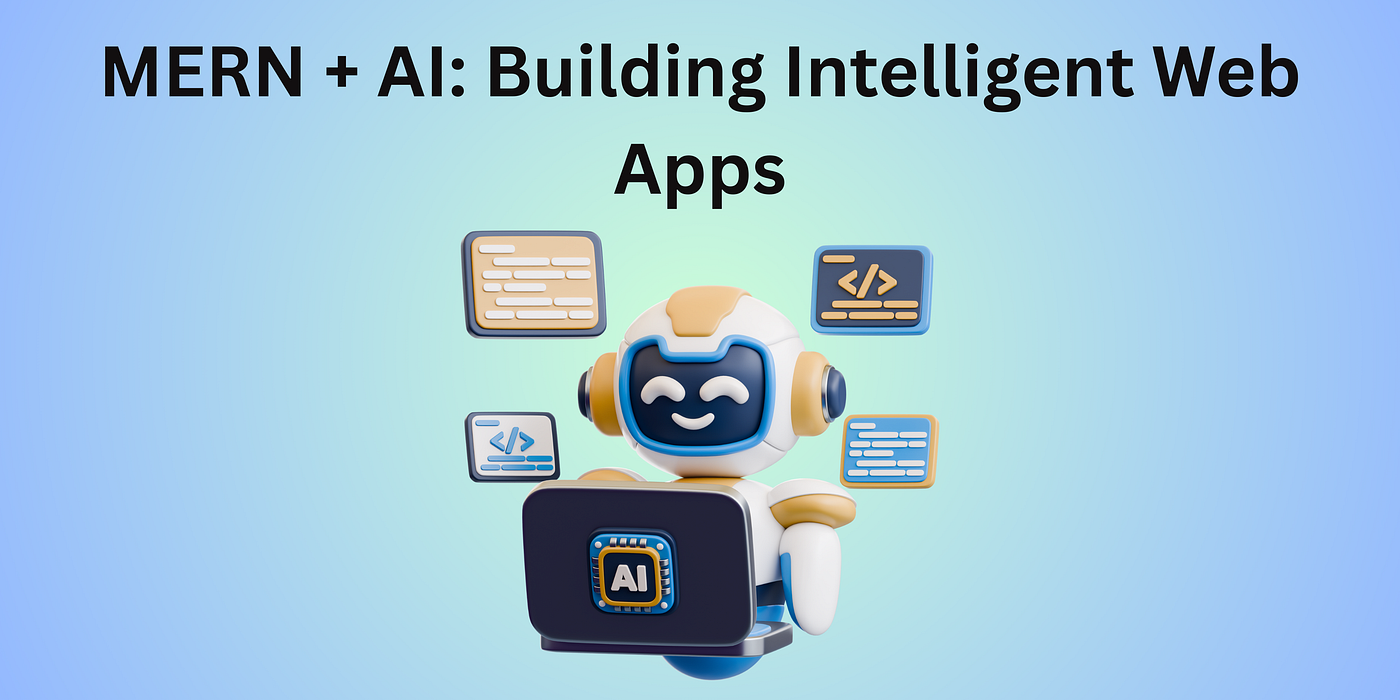
Before building an AI wrapper app, developers need some basic tools.
1 Programming Language
Common choices include:
• JavaScript
• Python
• Java
• Node.js
Many AI developers prefer Python or JavaScript, but since you develop Android apps, Java-based backend or Android apps can easily integrate AI APIs.
2 AI API Providers
Popular AI APIs include:
• OpenAI API
• Anthropic Claude API
• Google Gemini API
• Stability AI
These APIs provide powerful AI capabilities.
3 Backend Framework
Your backend handles communication with AI APIs.
Examples:
• Node.js
• Django
• Flask
• Spring Boot
4 Frontend Interface
The frontend is what users interact with.
Popular options:
• React
• Next.js
• Vue.js
• Flutter
• Android apps
5 Cloud Hosting
AI wrapper apps are typically hosted on cloud platforms such as:
• AWS
• Google Cloud
• Vercel
• DigitalOcean
Step-by-Step Process to Build an AI Wrapper App
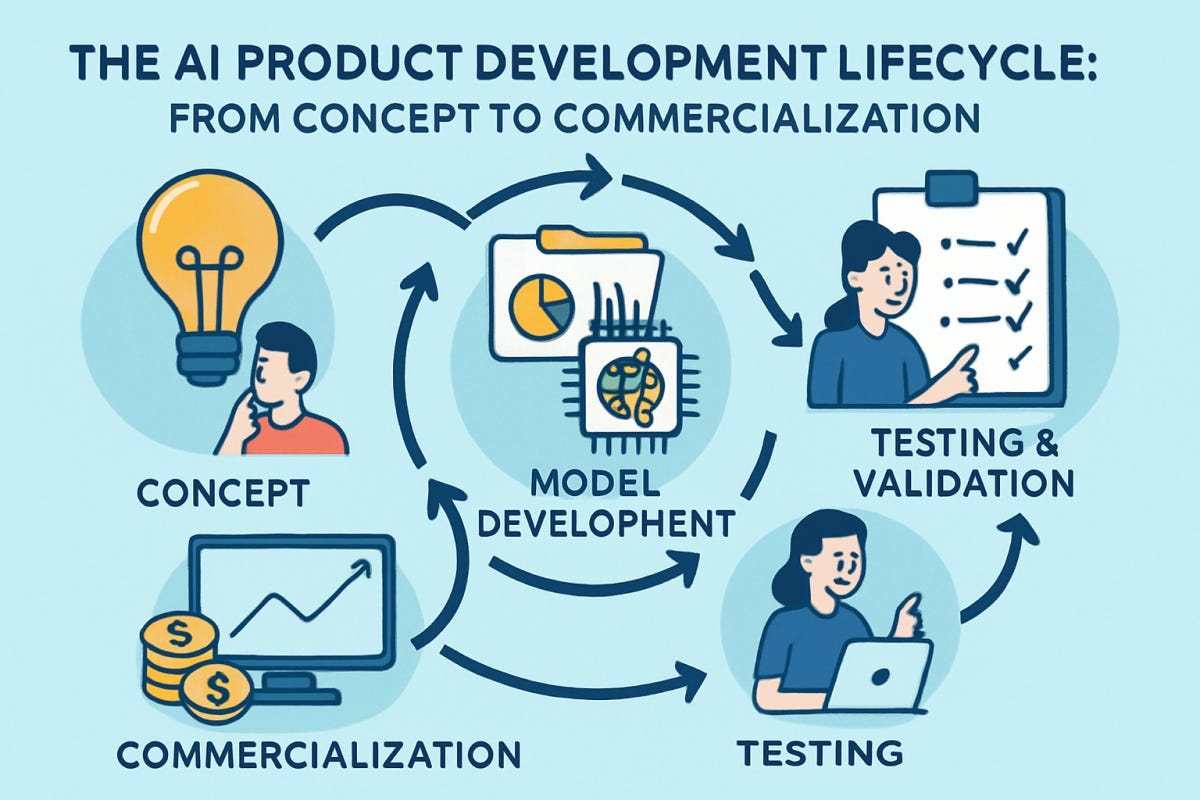
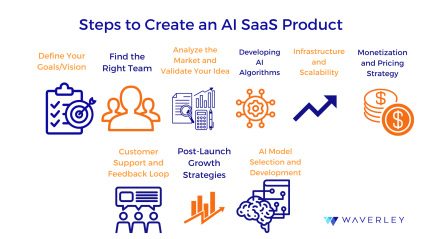

Now let’s look at the practical process of building an AI wrapper app.
Step 1: Identify a Problem to Solve
The most successful AI apps solve specific problems.
Examples:
• Blog writing assistant
• Resume generator
• YouTube title generator
• AI image creator
• Meeting summarizer
A narrow niche usually performs better.
Step 2: Choose the Right AI Model
Different AI models are designed for different tasks.
Examples:
Text generation → LLM models
Image generation → diffusion models
Speech recognition → voice models
Selecting the correct model is critical.
Step 3: Connect to the AI API
Your backend sends requests to the AI model through an API.
Typical workflow:
1 User sends request
2 Backend processes request
3 Backend calls AI API
4 AI generates response
5 App displays output
Step 4: Build a Simple User Interface
The interface should be simple and intuitive.
Examples:
• Text input box
• Upload button
• Generate button
• Result display section
A clean interface improves user experience.
Step 5: Optimize Prompts
Prompt engineering is extremely important.
Example prompt:
Write a professional product description for an e-commerce website in under 150 words.
Highlight benefits and include persuasive language.
Small prompt improvements dramatically improve output quality.
Step 6: Add Extra Features
To stand out from competitors, add features such as:
• Templates
• Automation workflows
• History saving
• Export options
• Custom settings
These features transform a simple AI tool into a complete product.
Popular Types of AI Wrapper Apps
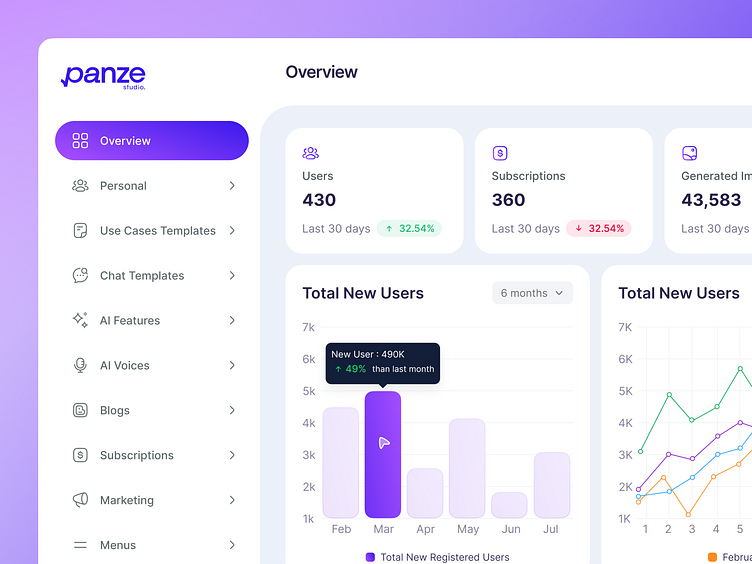

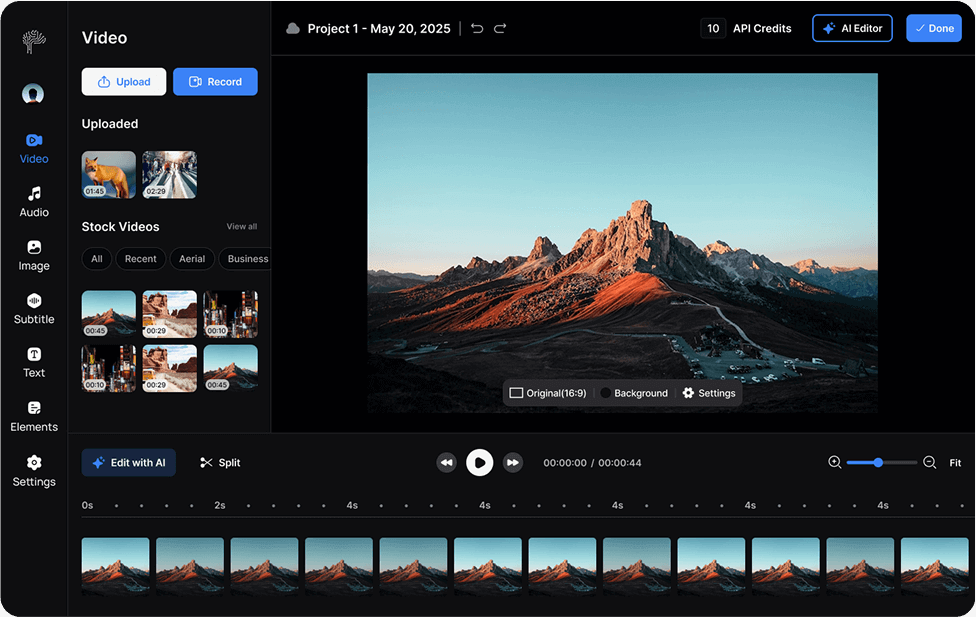
Some of the most successful AI wrapper apps fall into these categories.
AI Writing Tools
Generate blog posts, marketing copy, or social media content.
AI Image Generators
Create images from text prompts.
AI Video Tools
Generate or edit videos automatically.
AI Coding Assistants
Help developers generate or debug code.
AI Productivity Tools
Summarize emails, notes, and meetings.
How to Monetize AI Wrapper Apps


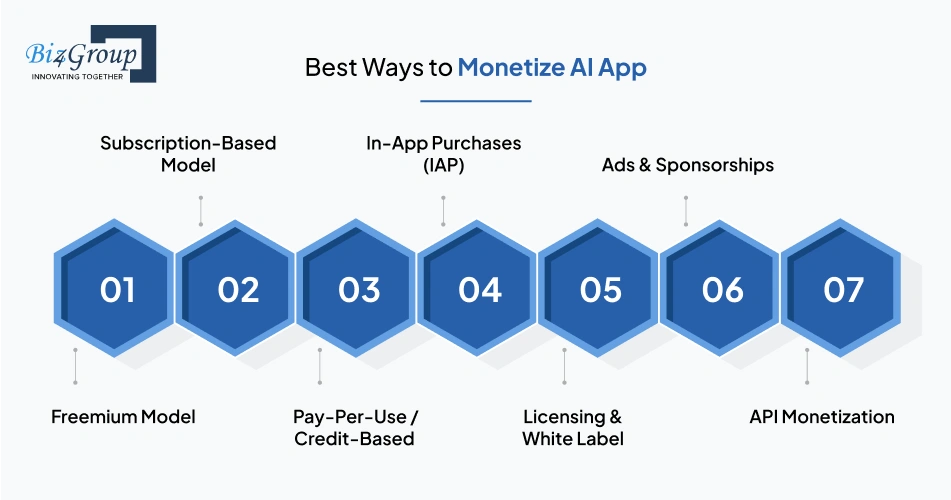
Most AI wrapper apps use SaaS monetization models.
Subscription Model
Users pay monthly.
Example plans:
• Basic
• Pro
• Enterprise
Credit-Based Model
Users buy credits.
Example:
100 credits = 100 generations.
Freemium Model
Free version with limited features.
Paid plan unlocks premium capabilities.
Challenges of Building AI Wrapper Apps


While AI wrapper apps are powerful, there are challenges.
API Cost
AI APIs can become expensive when user traffic grows.
Competition
Because it is easy to build wrappers, competition increases rapidly.
Platform Dependency
If the AI provider changes pricing or policies, startups may be affected.
Best Practices for Successful AI Wrapper Apps
To build a successful AI wrapper product:
• Focus on solving real problems
• Build excellent user interfaces
• Optimize prompts carefully
• Add unique product features
• Build strong branding and marketing
Simple wrappers with no differentiation rarely succeed.
Final Thoughts
AI wrapper apps represent one of the biggest opportunities in modern software development. They allow developers to build powerful AI products without training complex models.
By focusing on user experience, niche solutions, and strong prompt engineering, developers can create successful AI tools used by millions of people.
As artificial intelligence continues to evolve, AI wrapper apps will likely become a major part of the future software ecosystem.
