
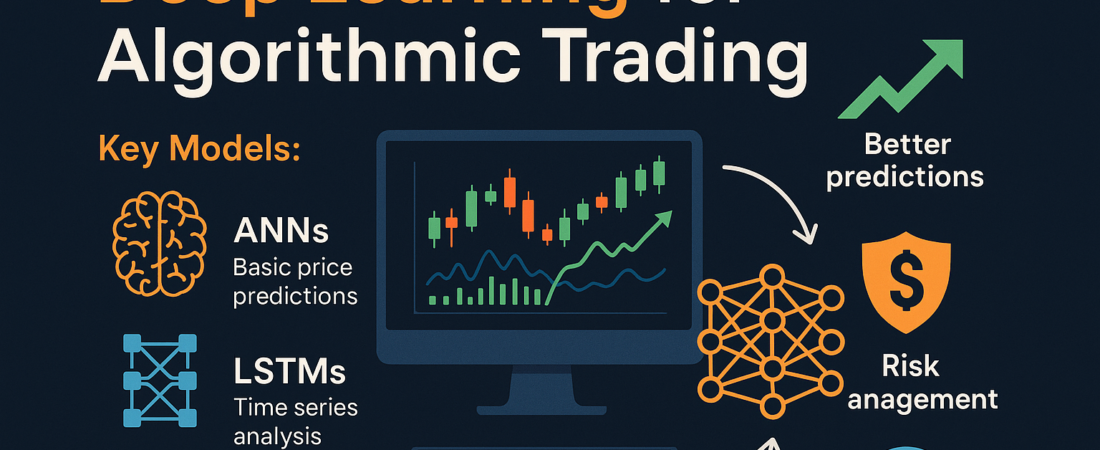


Artificial Intelligence (AI) is transforming the way investors trade in the stock market. Traditional trading relied heavily on manual analysis, intuition, and experience. Today, AI-powered systems can analyze vast amounts of market data in seconds and identify trading opportunities faster than any human trader.
AI stock trading uses machine learning algorithms, predictive analytics, and automated trading systems to make data-driven decisions in the stock market. Large financial institutions, hedge funds, and even individual investors are increasingly adopting AI tools to improve trading strategies and maximize profits.
This detailed guide explains AI stock trading, how it works, the technologies behind it, its advantages and risks, and what the future holds for AI-powered investing.
What Is AI Stock Trading?
AI stock trading refers to the use of artificial intelligence algorithms and machine learning models to analyze stock market data and execute trades automatically.
Instead of manually analyzing charts and financial reports, AI systems can process huge datasets including:
- Historical stock prices
- Trading volumes
- Economic indicators
- Company financial reports
- News and social media sentiment
These systems then use the data to identify patterns and predict possible price movements.
Many financial companies use AI platforms built with technologies from companies like IBM, Microsoft, and Google.
How AI Stock Trading Works


AI trading systems follow several steps to analyze markets and execute trades.
1. Data Collection
AI systems gather large amounts of financial data from various sources such as:
- Stock exchanges
- Financial databases
- Economic reports
- News websites
- Social media platforms
The more data the AI system has, the better its predictions become.
2. Data Processing and Feature Engineering
Before training models, the system cleans and organizes the data.
Important features used for stock predictions include:
- Moving averages
- Price volatility
- Market trends
- Trading volume
These indicators help the AI model understand market behavior.
3. Machine Learning Model Training
AI models learn patterns from historical stock market data.
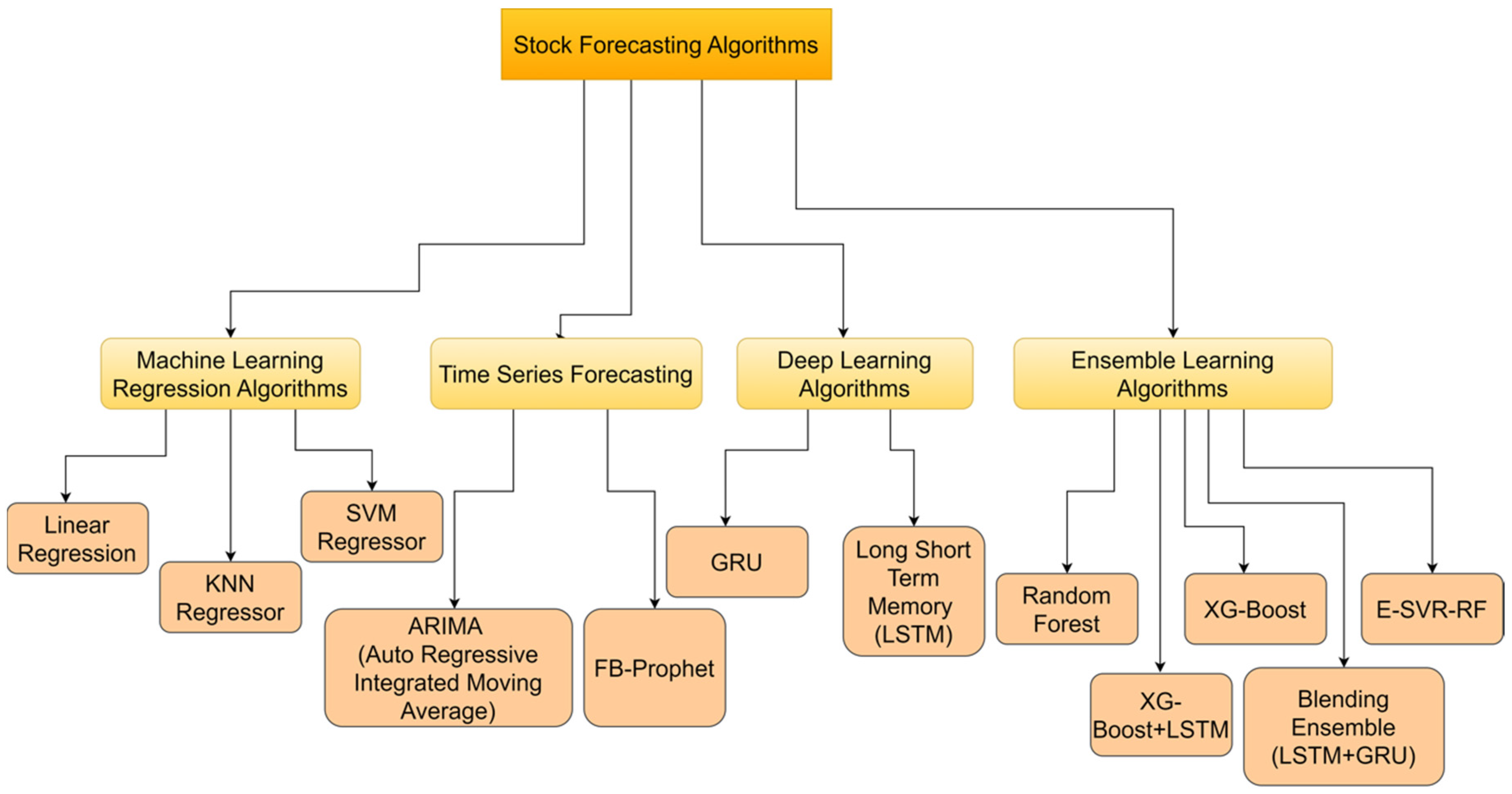
Common machine learning models used include:
- Neural networks
- Random forest models
- Support vector machines
- Reinforcement learning algorithms
These models analyze patterns that may indicate future stock price movements.
4. Prediction and Trading Signals
Once trained, the AI model generates trading signals such as:
- Buy signals
- Sell signals
- Hold recommendations
Some systems can also estimate the probability of price increases or decreases.
5. Automated Trade Execution
AI trading systems can automatically execute trades using brokerage APIs.
This allows trades to occur within milliseconds when opportunities appear.
Types of AI Stock Trading Strategies


Different AI trading strategies are used in the stock market.
Quantitative Trading
Quantitative trading uses mathematical models to analyze financial markets and identify profitable opportunities.
High-Frequency Trading (HFT)
High-frequency trading uses extremely fast algorithms to execute thousands of trades per second.
Large hedge funds often use this strategy.
Sentiment Analysis Trading
AI analyzes financial news, social media posts, and earnings reports to measure market sentiment.
Positive sentiment can indicate potential price increases.
Predictive Trading
Machine learning models predict future stock prices based on historical data patterns.
Popular AI Stock Trading Platforms
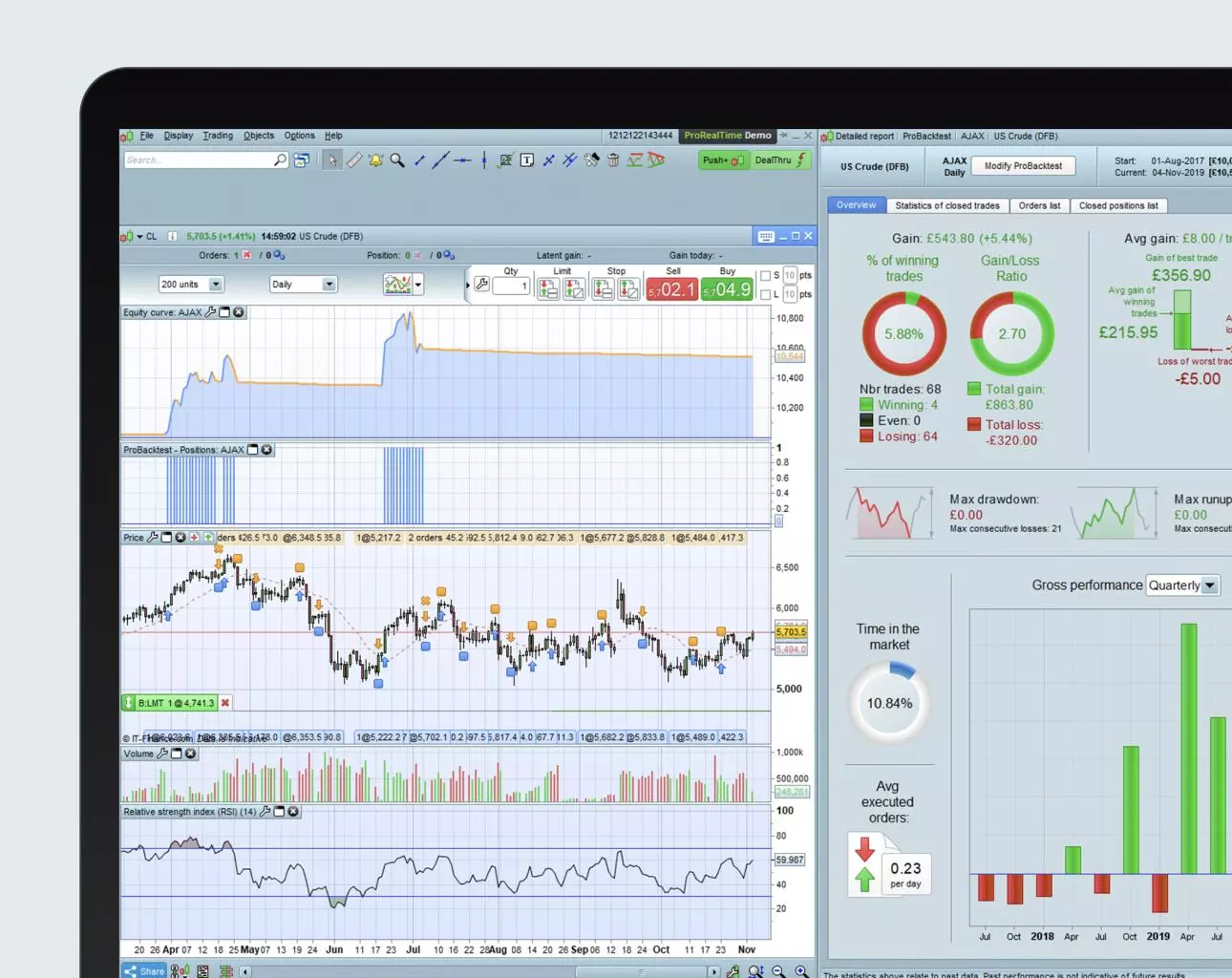
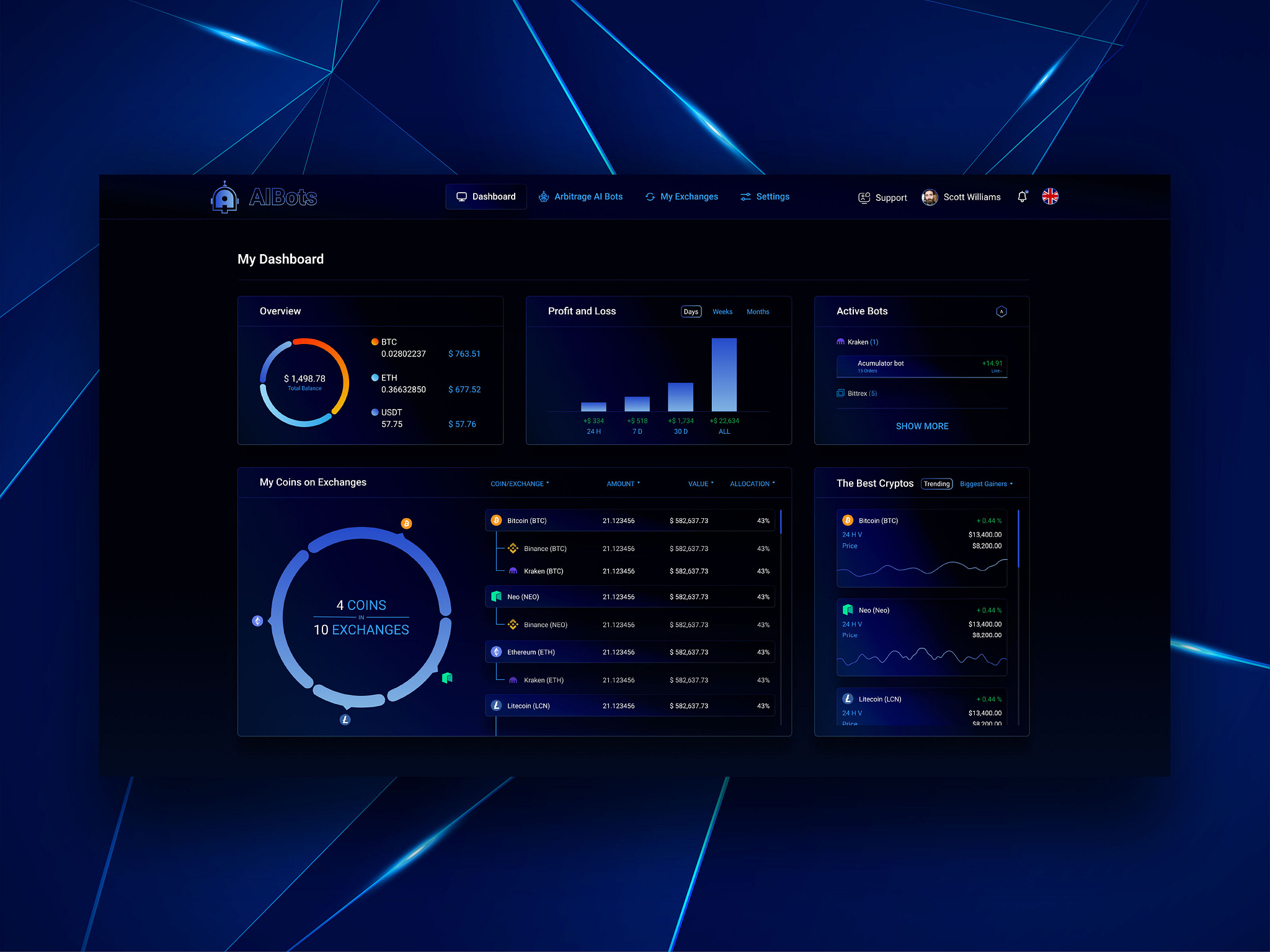
Several platforms provide AI-powered tools for stock trading.
Trade Ideas
Trade Ideas offers an AI-powered stock scanner that identifies trading opportunities in real time.
MetaQuotes – MetaTrader
MetaTrader allows traders to deploy automated trading bots known as Expert Advisors.
QuantConnect
QuantConnect provides cloud-based infrastructure for developing and testing algorithmic trading strategies.
Benefits of AI Stock Trading
AI-powered trading systems provide several advantages.
Faster Market Analysis
AI can analyze millions of data points instantly.
Reduced Emotional Bias
Human traders may make emotional decisions during market fluctuations. AI systems rely on objective data.
Continuous Market Monitoring
AI systems can monitor stock markets continuously without fatigue.
Advanced Pattern Detection
Machine learning algorithms can detect complex patterns that humans may overlook.
Risks of AI Stock Trading
Although AI trading offers powerful advantages, it also carries risks.
Market Volatility
Sudden market changes may cause AI models to fail.
Overfitting
Models trained on historical data may not perform well in real markets.
Technical Failures
Software bugs or internet outages can cause trading errors.
Regulatory Concerns
Financial regulators closely monitor algorithmic trading to prevent market manipulation.
How to Build an AI Stock Trading System

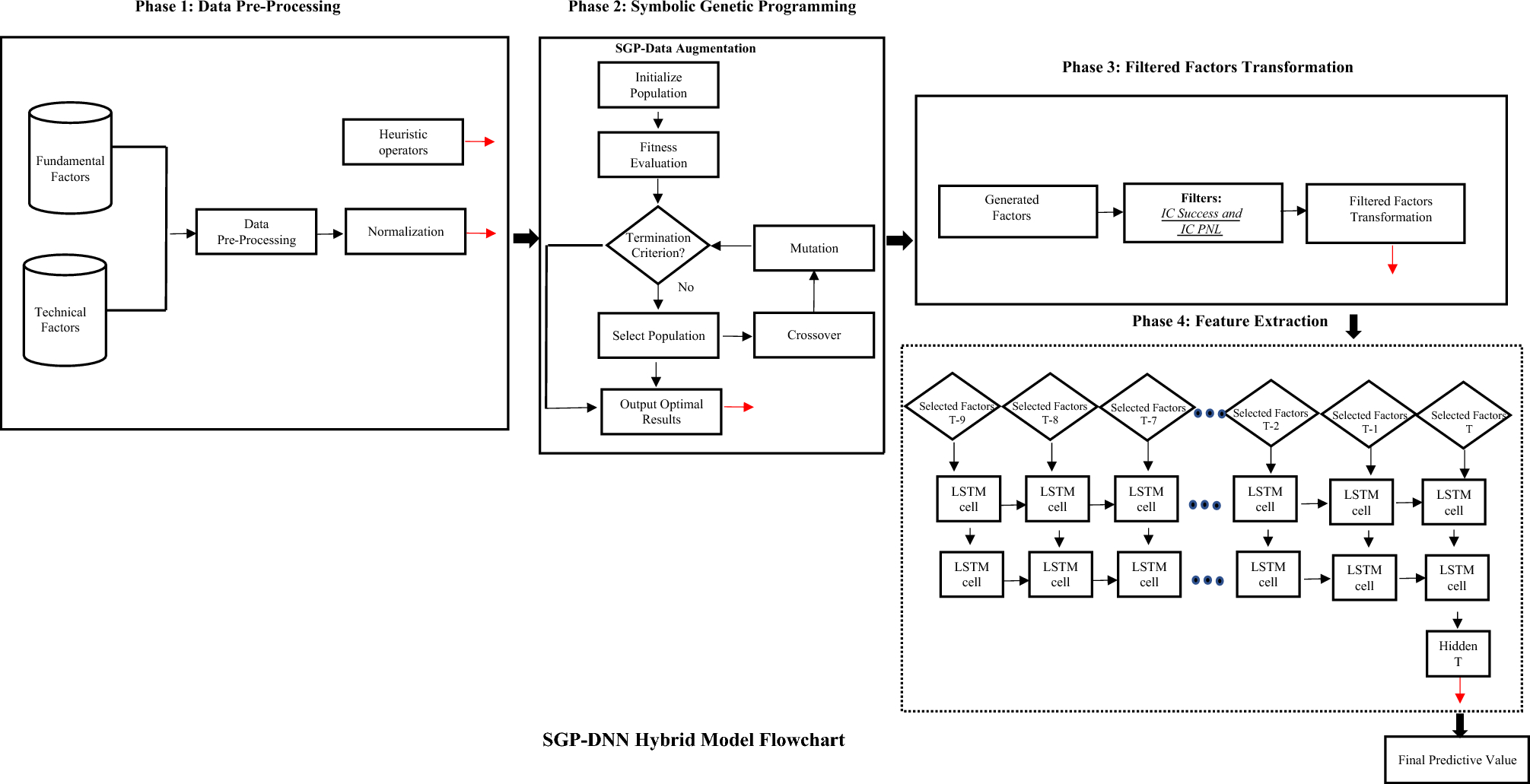
Developers often build AI stock trading systems using programming languages such as Python.
Steps include:
- Collect historical stock market data
- Preprocess and analyze the data
- Train machine learning models
- Backtest trading strategies
- Connect the system to brokerage APIs
- Deploy automated trading bots
Popular machine learning frameworks include:
- TensorFlow
- PyTorch
- Scikit-learn
The Future of AI Stock Trading

AI stock trading is expected to become even more advanced in the future.
Emerging developments include:
- Fully autonomous trading agents
- AI-powered hedge funds
- Real-time global market analysis
- Quantum computing for financial prediction
As financial markets grow more complex, AI will play a critical role in helping investors make smarter decisions.
Conclusion
AI stock trading represents one of the most powerful innovations in modern finance. By combining machine learning, big data analytics, and automated trading systems, AI enables investors to analyze markets faster and execute trades more efficiently.
However, successful AI trading requires careful strategy design, reliable data, and effective risk management. As artificial intelligence continues to evolve, AI-powered stock trading systems will likely become an essential tool for traders and investors worldwide.