
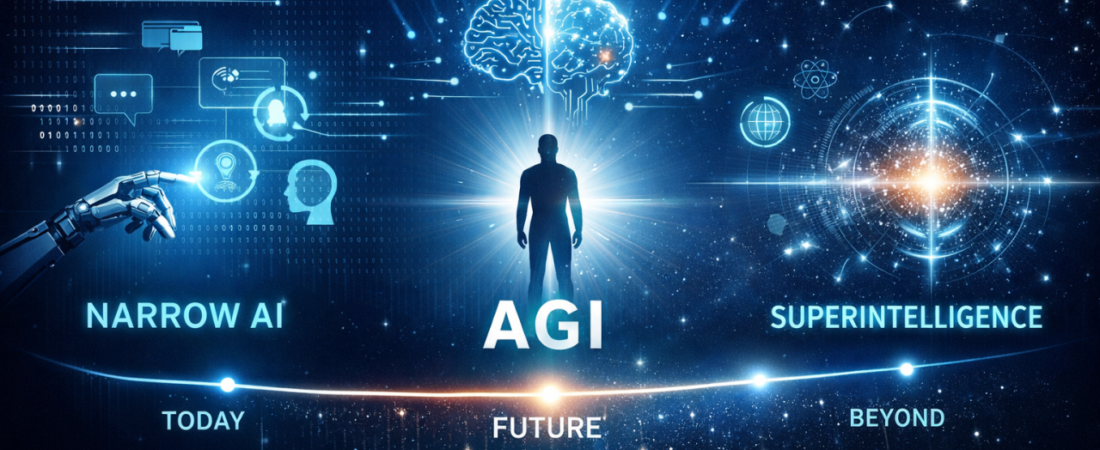


Artificial General Intelligence (AGI) is one of the most ambitious goals in the field of artificial intelligence. While today’s AI systems are designed to perform specific tasks—such as recognizing images, translating languages, or playing games—AGI refers to a machine intelligence that can understand, learn, and perform any intellectual task that a human can do.
Unlike narrow AI systems that specialize in one function, AGI would have the ability to reason, solve complex problems, learn new skills quickly, and adapt to unfamiliar situations.
Many leading research organizations such as OpenAI, Google, and Microsoft are actively researching technologies that could eventually lead to AGI.
What Is Artificial General Intelligence?
Artificial General Intelligence (AGI) refers to a type of artificial intelligence that possesses human-level cognitive abilities across a wide range of tasks.
Current AI systems—like chatbots or recommendation systems—are examples of narrow AI. They are powerful but limited to specific tasks.
AGI, on the other hand, would be able to:
- Learn new skills without retraining
- Understand complex concepts
- Reason logically
- Solve unfamiliar problems
- Transfer knowledge between domains
For example, an AGI system could potentially learn medicine, programming, mathematics, and art in the same way humans do.
AGI vs Narrow AI


Artificial intelligence is usually categorized into three levels.
Artificial Narrow Intelligence (ANI)
ANI refers to AI systems designed for specific tasks.
Examples include:
- Image recognition systems
- Voice assistants
- Language translation tools
These systems are powerful but limited to one domain.
Artificial General Intelligence (AGI)
AGI represents AI with human-level intelligence across multiple domains.
An AGI system could learn and perform tasks without being specifically programmed for each one.
Artificial Superintelligence (ASI)
ASI refers to AI that surpasses human intelligence in all fields.
This concept remains theoretical but is often discussed in future AI research.
Key Technologies That Could Lead to AGI


Researchers believe several technologies could contribute to the development of AGI.
Deep Learning
Deep learning uses neural networks to simulate how the human brain processes information.
These models have achieved major breakthroughs in areas like language understanding and image recognition.
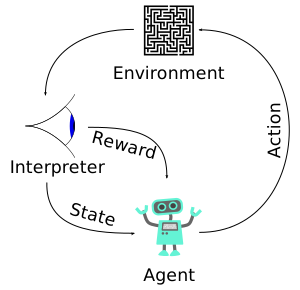
Reinforcement Learning
Reinforcement learning allows AI systems to learn through trial and error.
This technique has been used to train AI systems that can play complex games and control robots.
Cognitive Architectures
Cognitive architectures attempt to model how the human brain thinks and learns.
These systems aim to replicate human reasoning and decision-making processes.
Brain-Inspired Computing
Some researchers are exploring neuromorphic computing, which designs hardware that mimics the structure of the human brain.
Potential Applications of AGI

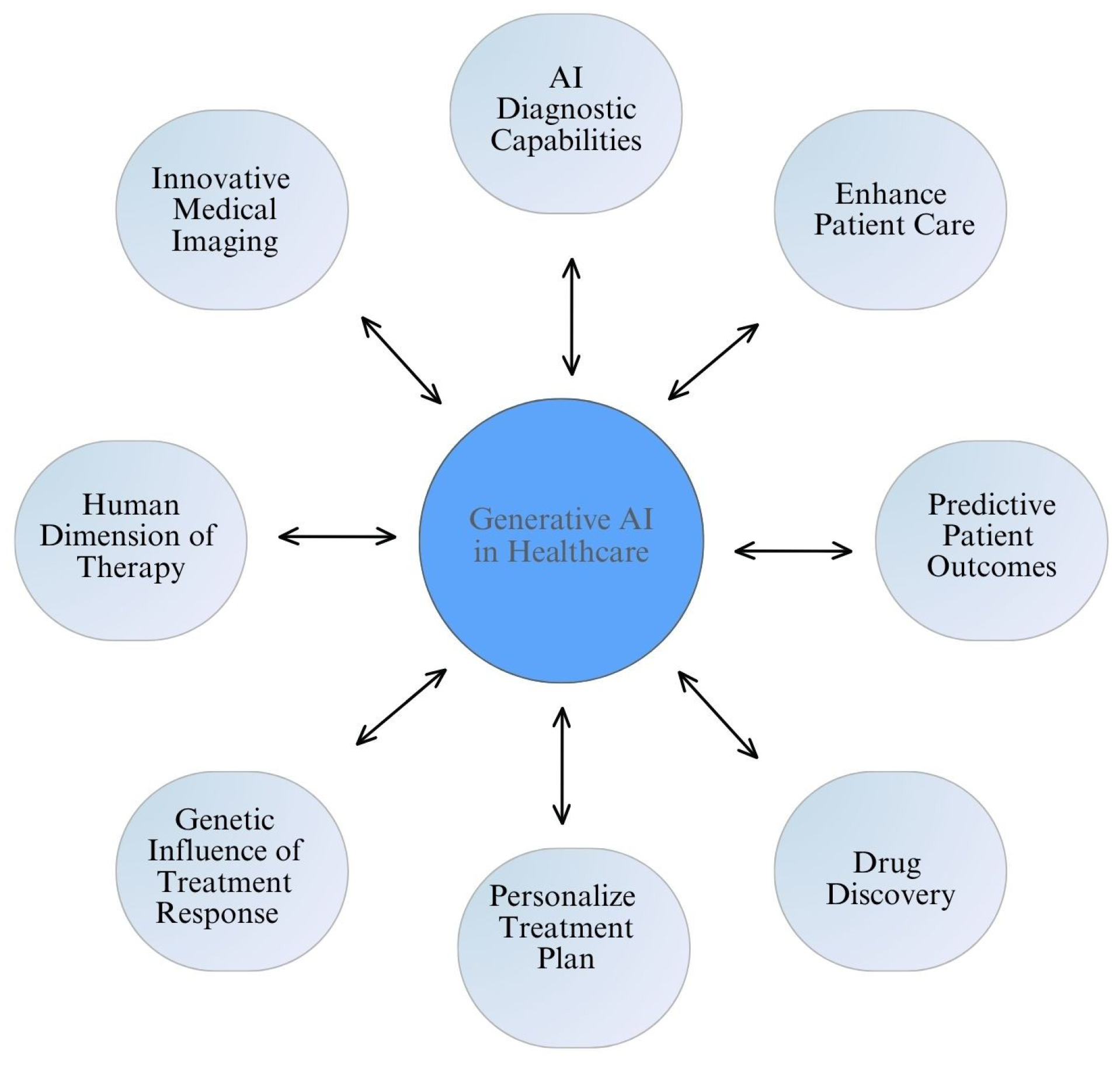

If AGI becomes reality, it could transform nearly every aspect of society.
Healthcare
AGI could help doctors diagnose diseases, design new medicines, and analyze medical data more efficiently.
Scientific Research
AGI systems could accelerate discoveries in fields such as physics, chemistry, and biology.
Robotics
Advanced AGI-powered robots could perform complex tasks in industries like manufacturing, logistics, and healthcare.
Education
AGI could provide personalized education tailored to each student’s learning style.
Global Problem Solving
AGI could help address large-scale challenges such as climate change, energy shortages, and global health crises.
Challenges in Developing AGI



Developing AGI is extremely difficult and presents several challenges.
Technical Complexity
Human intelligence is incredibly complex, and replicating it in machines is a major scientific challenge.
Data and Computing Power
Training large AI models requires enormous amounts of data and computing resources.
AI Safety
Researchers must ensure that AGI systems behave safely and align with human values.
Ethical Concerns
AGI could raise ethical questions about employment, privacy, and human control over intelligent machines.
When Could AGI Become Reality?
Experts disagree on when AGI might be achieved.
Some researchers believe AGI could emerge within 20–30 years, while others believe it may take much longer.
Many companies and research organizations—including OpenAI—are actively studying how to build safe and beneficial AGI systems.
The Future of Artificial General Intelligence



The development of AGI could represent one of the most important technological milestones in human history.
Possible future scenarios include:
- AI systems collaborating with humans to solve global challenges
- Autonomous research systems accelerating scientific discoveries
- Intelligent machines assisting in daily life and work
However, the development of AGI must be carefully managed to ensure it benefits humanity.
Conclusion
Artificial General Intelligence represents the next frontier in artificial intelligence research. Unlike today’s narrow AI systems, AGI aims to create machines with human-like reasoning, learning, and problem-solving abilities.
Although the technology is still in development, rapid advances in machine learning, computing power, and data science are bringing researchers closer to achieving this goal.
If developed responsibly, AGI could transform industries, accelerate scientific progress, and help humanity tackle some of its biggest challenges.