

🚀 Why the “Ai Wrapper” is the New Backbone of the Web

4
The internet is evolving — not gradually, but structurally.
For decades, the web was built on static pages, then dynamic systems, then cloud infrastructure. But now, something deeper is reshaping everything behind the scenes:
AI Wrappers.
They are not just tools.
They are not just integrations.
They are becoming the invisible architecture layer powering modern digital experiences.
And in 2026, they are rapidly becoming the backbone of the web.
🔍 What Is an AI Wrapper?


4
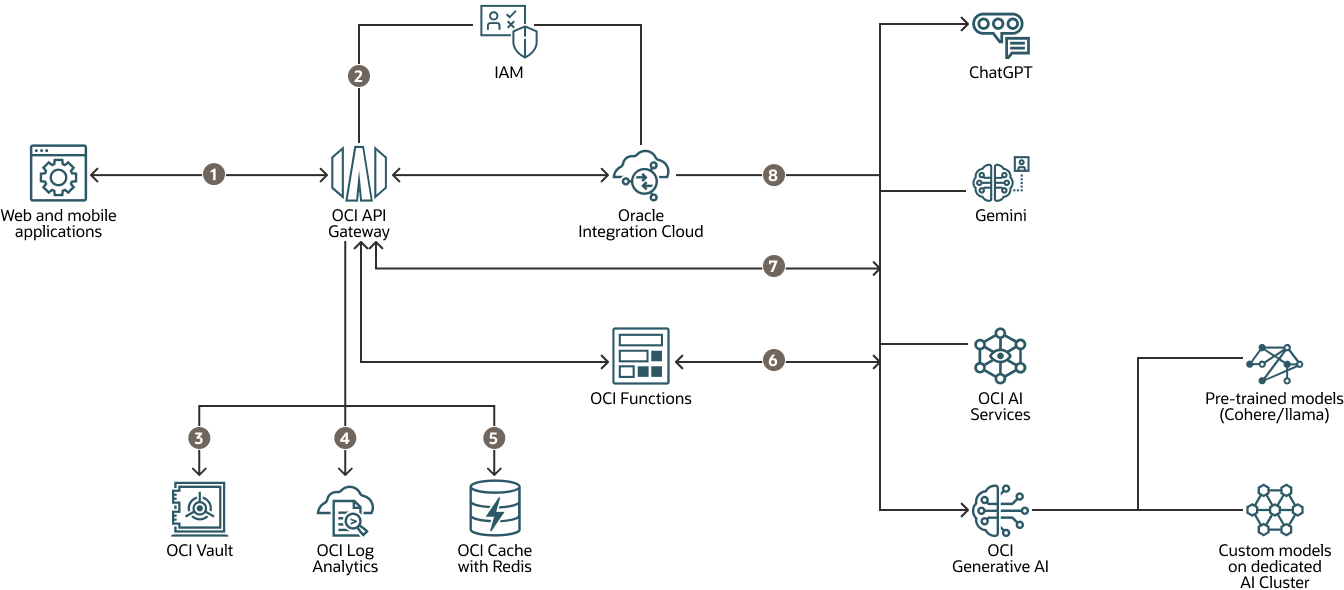
An AI Wrapper is a software layer that connects users to powerful AI models while transforming raw intelligence into structured, usable, and monetizable products.
Instead of building AI from scratch, developers:
- Connect to advanced AI models via API
- Build custom interfaces
- Add workflow logic
- Implement storage and security
- Optimize prompts
- Add monetization systems
The wrapper “packages” intelligence into a product people can actually use.
Without wrappers, AI models would remain complex engines.
With wrappers, they become businesses.
🧠 Why AI Wrappers Are Exploding

4
AI Wrappers are scaling fast for five core reasons:
1️⃣ AI Is Now Accessible
Advanced AI models are available via APIs. You don’t need a billion-dollar lab anymore. Innovation has shifted to execution and experience.
2️⃣ Faster Product Launch
Startups can launch AI-powered SaaS platforms in weeks, not years. Speed is now a competitive advantage.
3️⃣ Niche Market Domination
Generic AI is powerful.
But niche AI wins markets.
AI for creators.
AI for traders.
AI for designers.
AI for students.
AI for businesses.
Each one is a focused wrapper targeting a specific audience.
4️⃣ Built-In Monetization
Subscription tiers, credits, usage billing, enterprise plans — wrappers make business models simple to implement.
5️⃣ Experience Is the Real Innovation
Users don’t care about model architecture.
They care about speed, clarity, and results.
Wrappers create that experience.
🎨 UX: The Real Competitive Edge


4
Raw AI outputs can be messy.
Wrappers refine them.
They:
- Format responses
- Add multi-step workflows
- Enable file uploads
- Integrate real-time previews
- Store user history
- Secure sensitive data
The AI model is the engine.
The wrapper is the vehicle.
And users choose vehicles — not engines.
🌐 AI Wrappers and the Infrastructure Shift

4
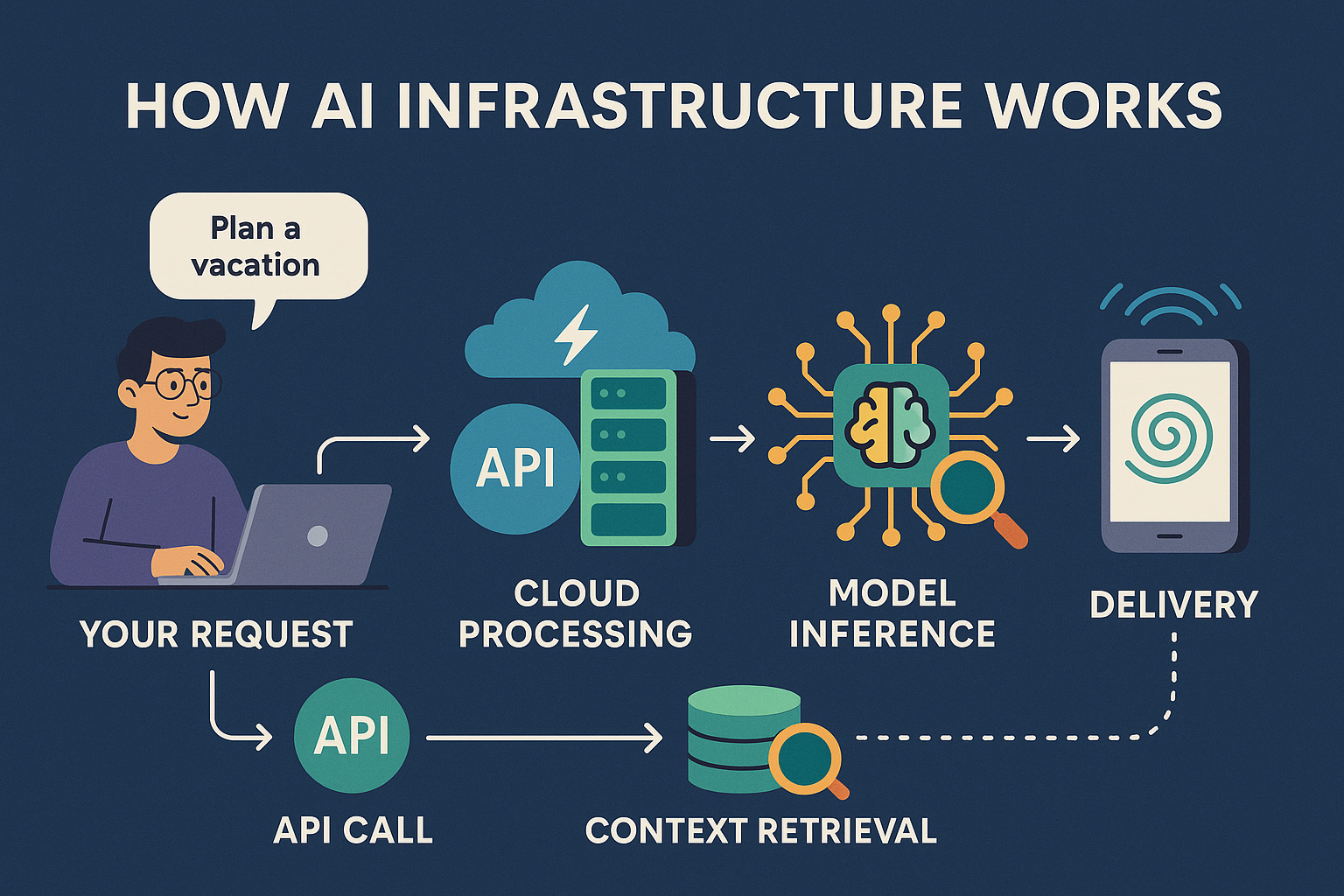
We are entering the AI-native web era.
Future platforms will not just display information. They will:
- Generate content dynamically
- Personalize user journeys
- Automate decision-making
- Optimize performance in real-time
- Adapt to user behavior
This shift is structural.
Just as databases became foundational to websites,
AI Wrappers are becoming foundational to intelligence-driven platforms.
📱 The Rise of Mobile AI Wrappers

4
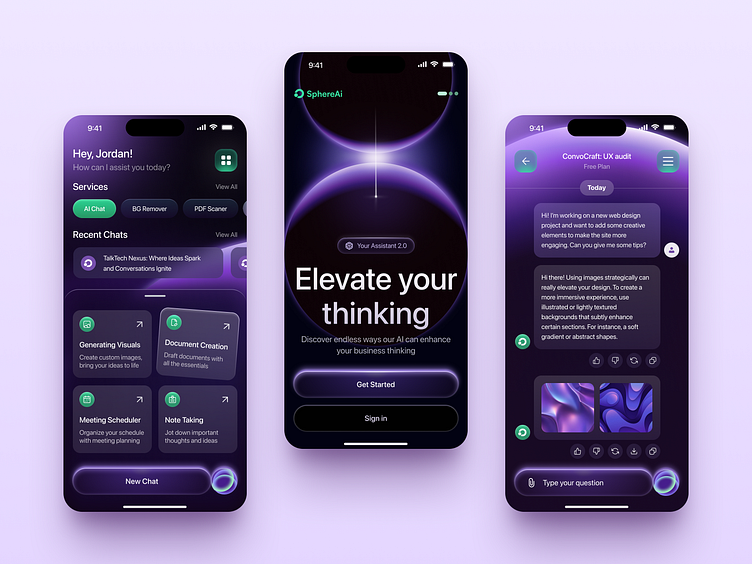
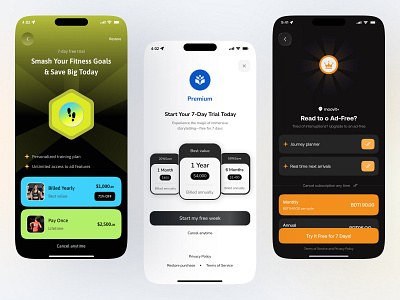
Mobile-first AI products are accelerating growth across industries.
Why?
Because:
- Apps feel faster than websites
- Push notifications increase retention
- Native performance improves engagement
- Users trust installed tools more
AI + Mobile + Wrapper architecture is quietly becoming one of the most powerful digital business models of this decade.
💼 Business Opportunity in the Wrapper Era


4
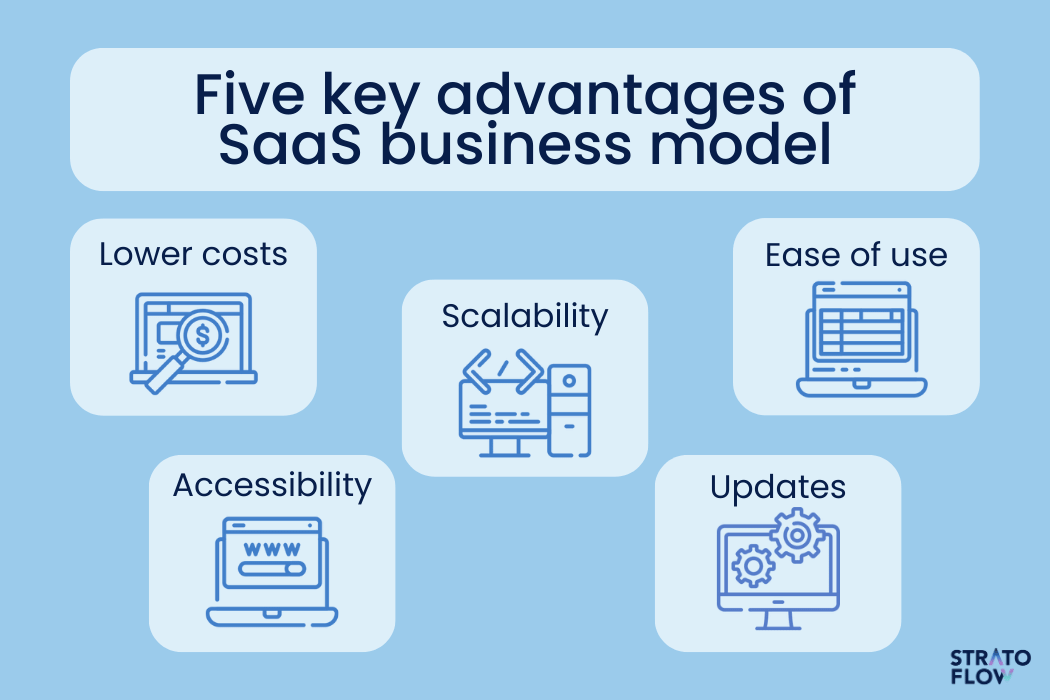
The opportunity today is not necessarily in building the next AI model.
It’s in building:
- The best workflow
- The cleanest interface
- The most focused niche solution
- The fastest and most reliable experience
Control the experience,
and you control the market.
Wrappers are where business strategy meets intelligence.
🔮 The Future: AI-Native Everything


4
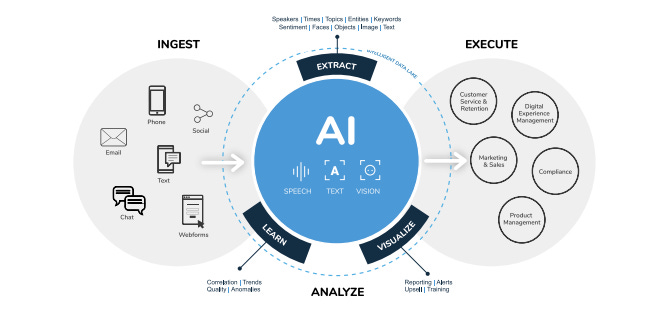
In the coming years, we will see:
- AI-native browsers
- AI-integrated operating systems
- Autonomous SaaS platforms
- Self-optimizing business tools
- Smart infrastructure running in the background
And behind all of them?
Wrapper architecture.
Invisible.
Essential.
Foundational.
🎯 Final Thoughts
The AI revolution is not just about intelligence.
It is about structure.
AI Wrappers are:
- The bridge between models and markets
- The engine of monetization
- The layer of innovation
- The foundation of scalable digital products
They are not a passing trend.
They are infrastructure.
And infrastructure shapes the future.